
 English
  Nederlands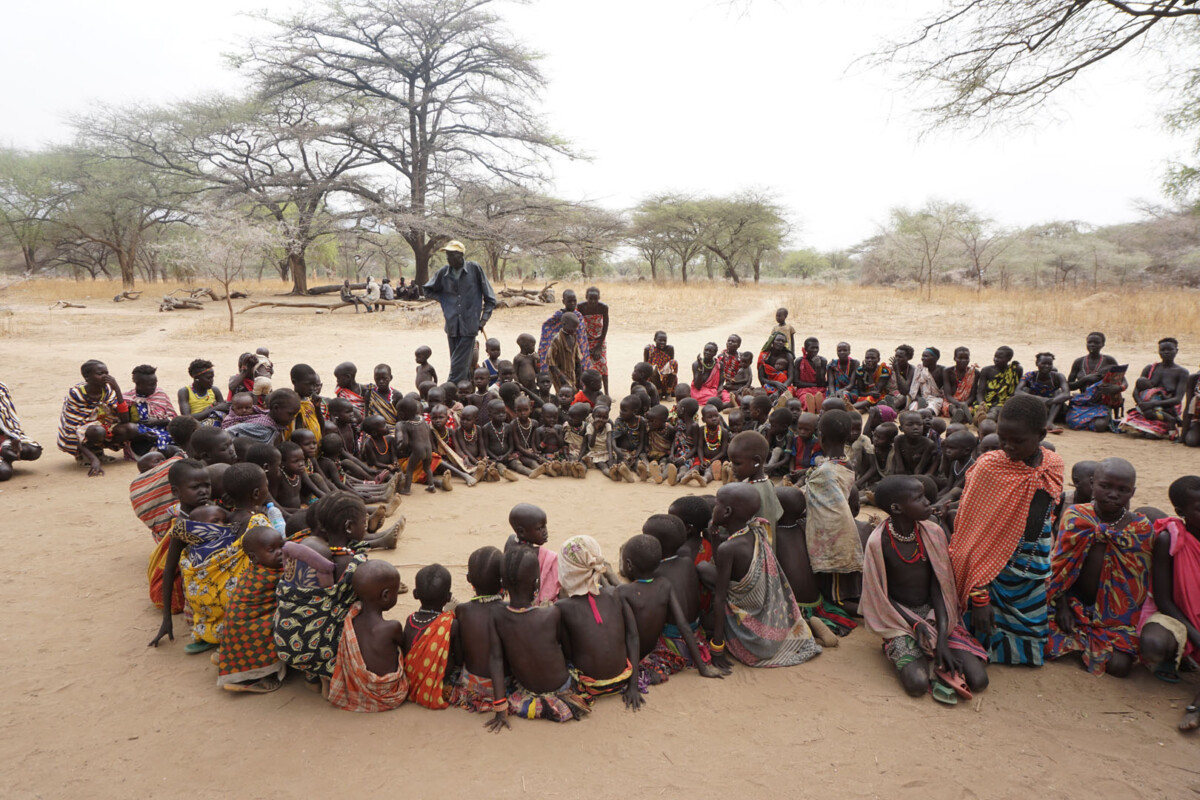
South Sudan may be one of the world’s youngest countries, but it’s also one of the most fascinating. With more than 60 ethnic groups, each with their own language, traditions and lifestyle, travelling here means stepping into a living museum of heritage. This is one of the last few places where daily life is still deeply connected to culture and tradition.
Meeting the tribes of South Sudan
From the Dinka and their sacred cattle to the colorful beads of the Toposa — each tribe tells a story that has been passed down through generations.
The Dinka
Noted for their impressive height (approximately 1,80 m). Their lives revolve around cattle, which are not only a source of food but also a sacred symbol of wealth, beauty, and status. Young men often decorate their bodies with ash, reflecting strength and courage. The tribe is known informally as the “Tribe of Basketball” and, indeed, the tallest ever NBA player was actually a Dinka man named Manute Bol! Hugely hospitable and welcoming to outsiders, you’re guaranteed a unique and unforgettable experience when you visit the lands of the Dinka.
The Mundari
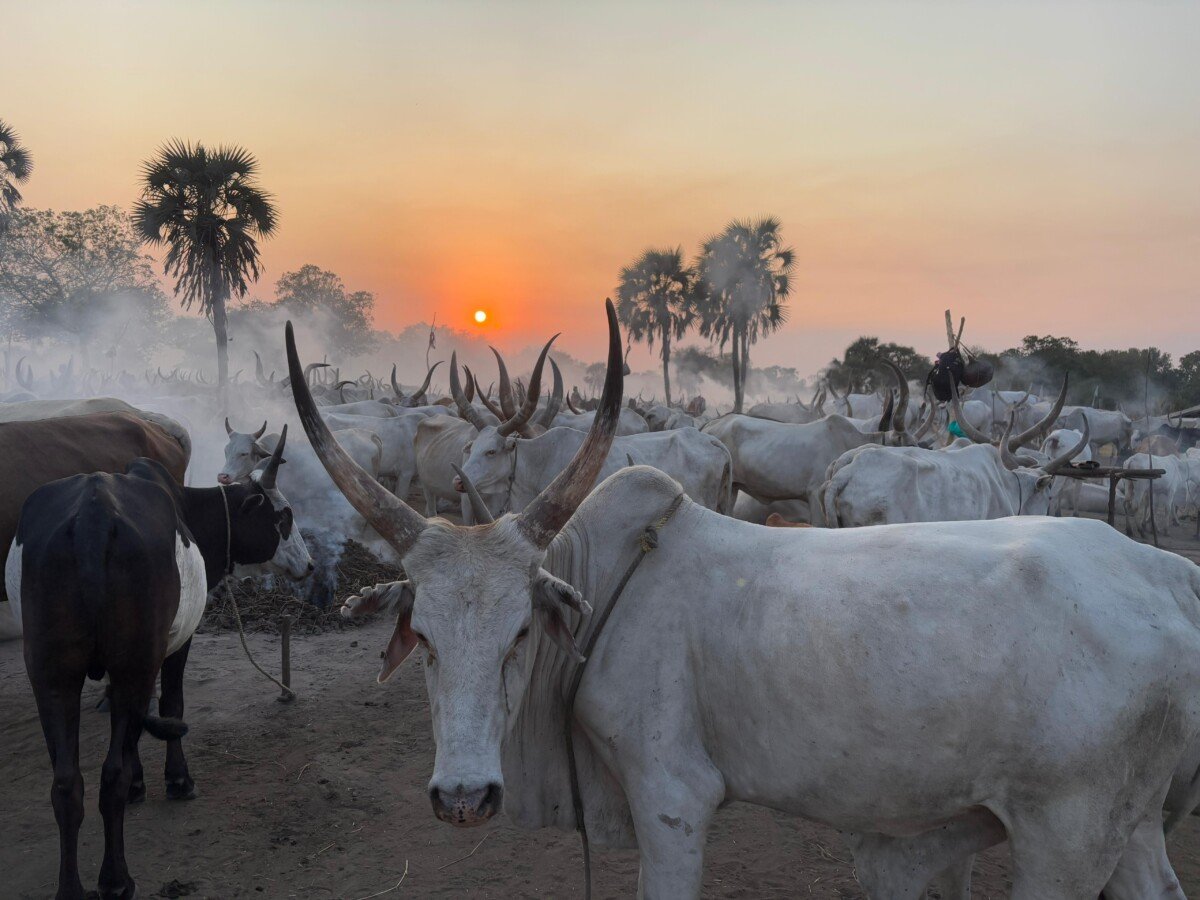
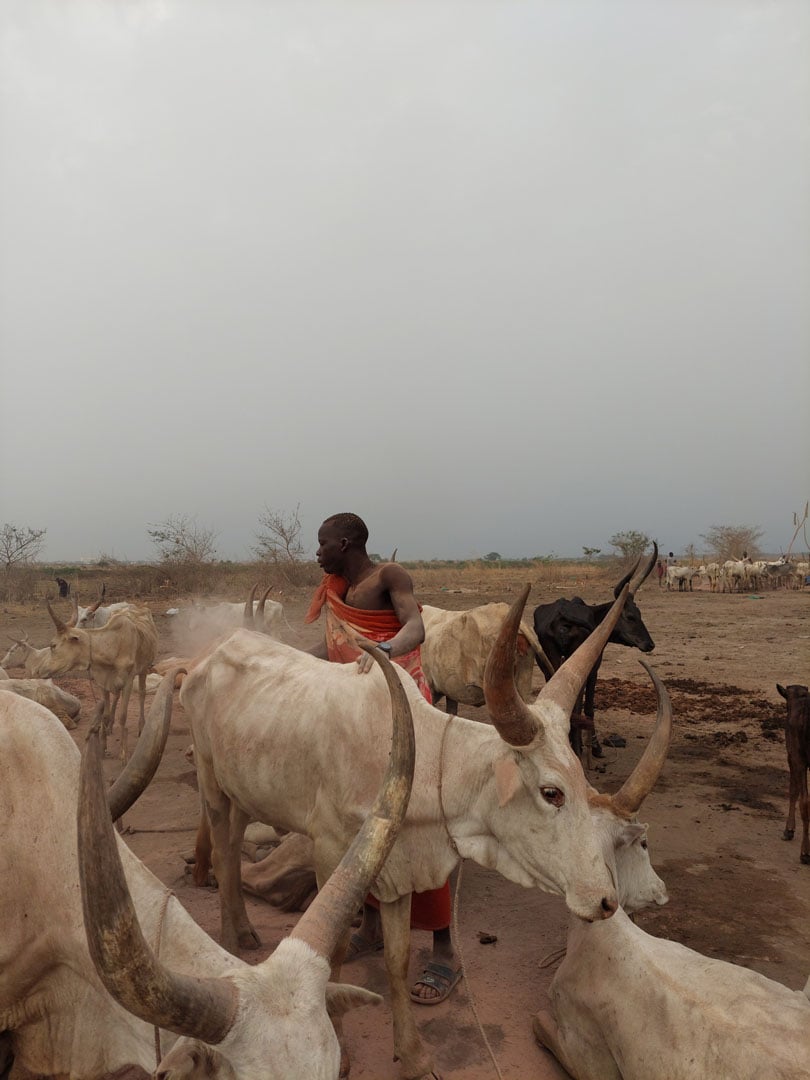
The Mundari are amongst the most popular visits amongst photographers. Their cattle mean everything to them – they are rarely slaughtered, as they are far too valuable. Instead, the Mundari use the milk, which is consumed both fresh and fermented. Even their urine is used, serving as a natural disinfectant and as a hair dye. Every evening, herders coat themselves and their animals in ash to protect against insects, creating an almost surreal scene. Visiting their cattle camps is one of the most memorable and authentic cultural experiences for any traveller.
The Toposa
In the east of South Sudan, near the borders with Kenya and Uganda, live the Toposa. They are semi-nomadic pastoralists, moving with their herds in search of water and grazing land. Life here is also deeply connected to cattle, goats and sheep, which are not only their livelihood, but also symbols of wealth and social standing. The Toposa are easily recognised by their elaborate jewellery, colourful beads and unique body adornments. Scarification is common among both men and women and is considered a sign of beauty, maturity and identity. Women often wear multiple layers of beads around their necks and waist, while men are known for carrying traditional spears and ornaments. Their remote villages offer a rare look into traditional ways of life that are still intact today.
Why Visit South Sudan?
Many people wonder: is South Sudan safe to travel to? With the right local guidance, it certainly is. And for travelers who want to look beyond safaris or resorts, this country offers something rare.
South Sudan isn’t about luxury, but about connection. You travel not just to see, but to understand how people live, believe, and coexist in harmony with tradition.
Do you want to discover one of the most authentic cultural destinations in the world? The tribes of South Sudan are ready to share their story with you!
Book a Group tour or Private tour with us and explore this fascinating country in a truly unique way.
Turkmenistan Visa – Update 2026
Great news for travelers looking to visit Turkmenistan in 2023! The State Migration Service of Turkmenistan has resumed accepting documents for issuing invitations (LOI) for…

World Nomad Games 2028: Everything We Know So Far
Step into living nomadic culture at the 2026 World Nomad Games in Kyrgyzstan. Witness traditional sports, music, and crafts.
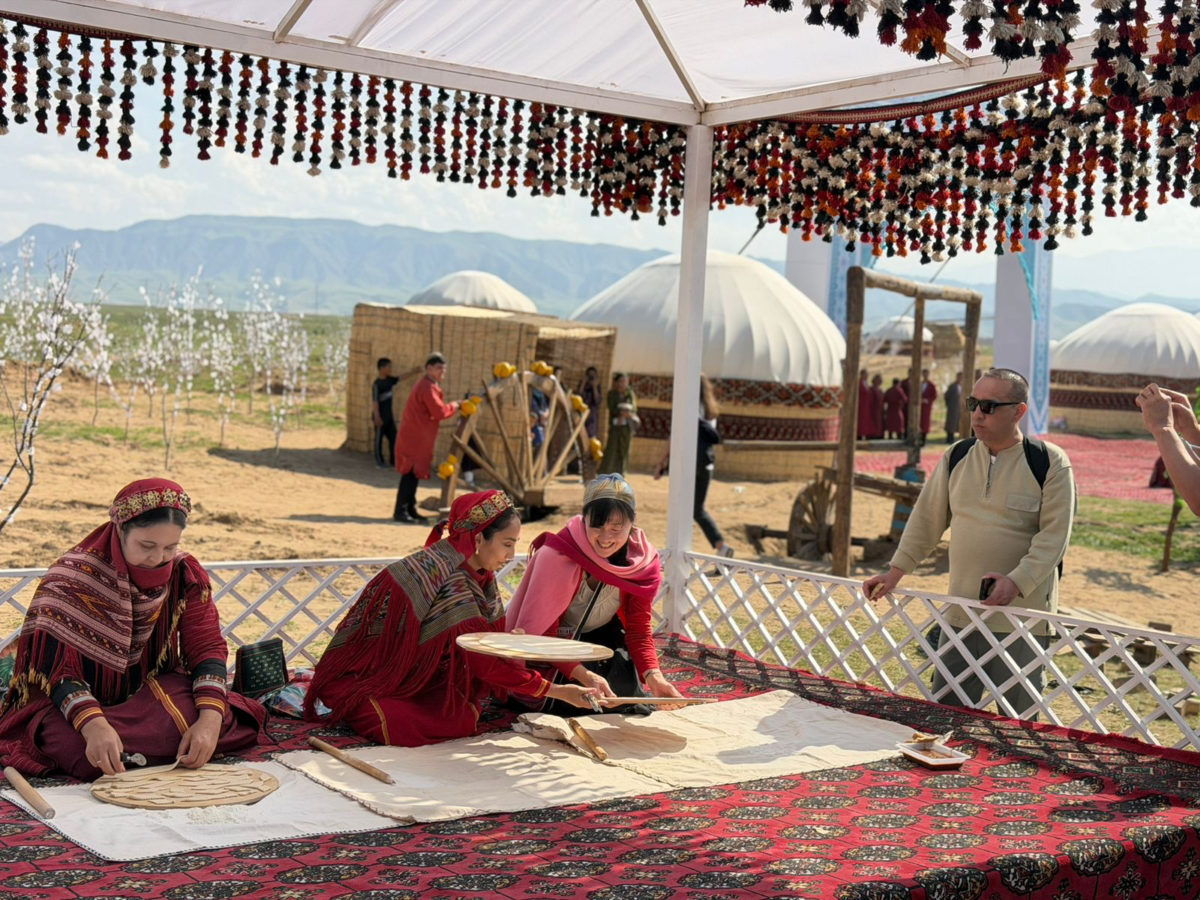
Celebrate Nowruz in Turkmenistan: Everything You Need to Know Before You Go
Across Central Asia and parts of the Middle East, millions of people celebrate the start of a new year in March. This celebration is called…