
 English
  Nederlands
Nigeria is one of the most culturally diverse countries in Africa, with more than 350 ethnic groups, each with its own language, traditions, and beliefs. This diversity isn’t something you only read about – you experience it on the streets, in music, clothing, rituals, and everyday life. One of the best ways to truly understand Nigeria is by joining a local celebration. Among the many festivals across the country, the Osun Festivalstands out as one of the most meaningful and powerful cultural experiences.
Why is Nigeria a unique destination?
Nigeria is not a destination that fits into one simple story. It offers an incredible mix of cultures, languages, and traditions. Here, ancient spiritual traditions exist alongside modern city life. You’ll find sacred forests and centuries-old rituals just a short distance from busy markets and megacities like Lagos. What makes Nigeria truly unique is how alive its traditions still are. Whether it’s Yoruba spirituality, royal traditions, music, or storytelling, culture here is not preserved behind glass – it is lived, shared, and constantly evolving. That makes traveling in Nigeria not just a trip, but an encounter.
Is it safe to travel in Nigeria?
While the country has made progress, corruption remains a significant issue in certain regions. Some areas of Nigeria are safe, while others may pose challenges. The areas in Nigeria that we visit are those where we feel comfortable and safe to bring you. If the situation changes, we will respond promptly to ensure safety. We ask for your flexibility in these matters.
Here are a few safety measures to keep in mind:
- If you plan to explore the big cities on your own, please discuss this with the guide first.
- Avoid wearing expensive jewelry or watches, and leave them at home.
- We do not share the itinerary or the name of the hotel with anyone. While it’s often out of curiosity that people ask, we prefer not to disclose this information for safety reasons.
Who is Nigeria the perfect travel destination for?
- Adventurous souls
- Group tour travellers
- Nature lovers
- Photographers
- Solo travellers
- Culture seekers
- History enthusiasts
Unique places to visit and things to do when in Nigeria
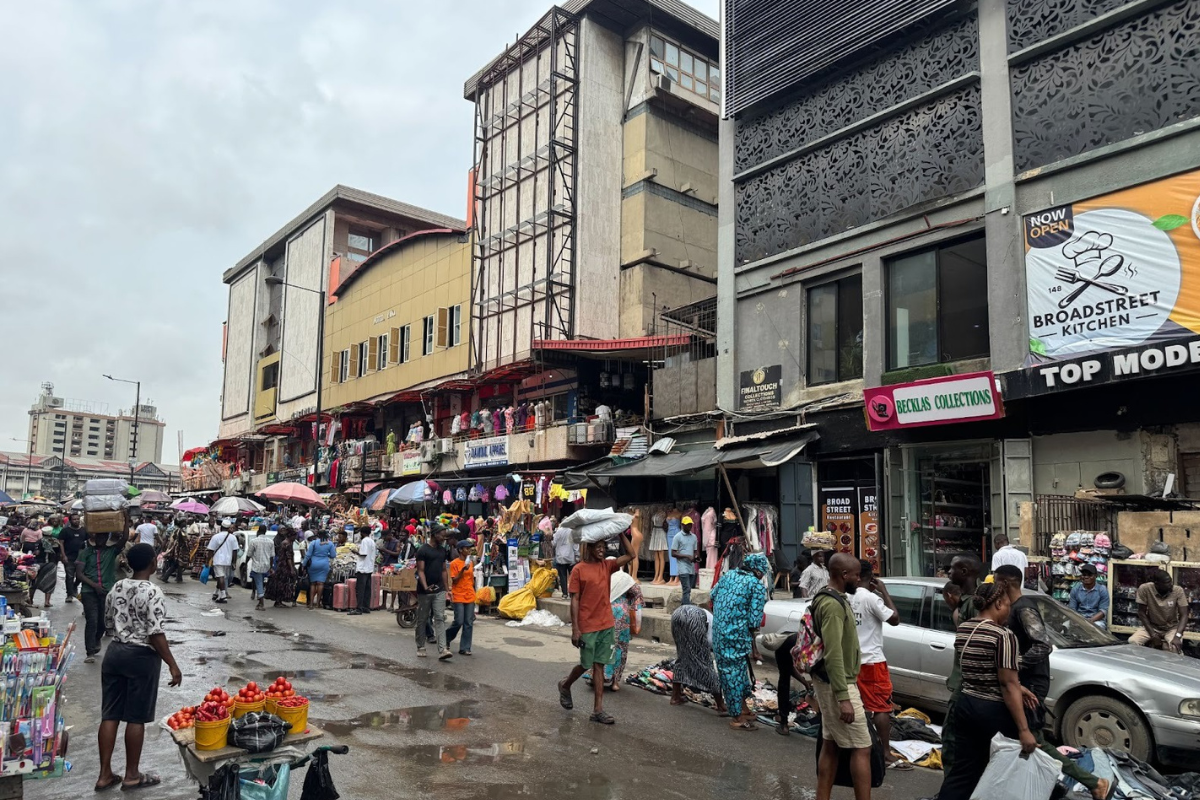
Lagos
The biggest city in Africa and the center of Nigeria’s economy. Enjoy a short tour around the New Afrika Shrine or discover the Nike Art Gallery and learn about Nigeria’s foremost artist, Nike Okundaye.
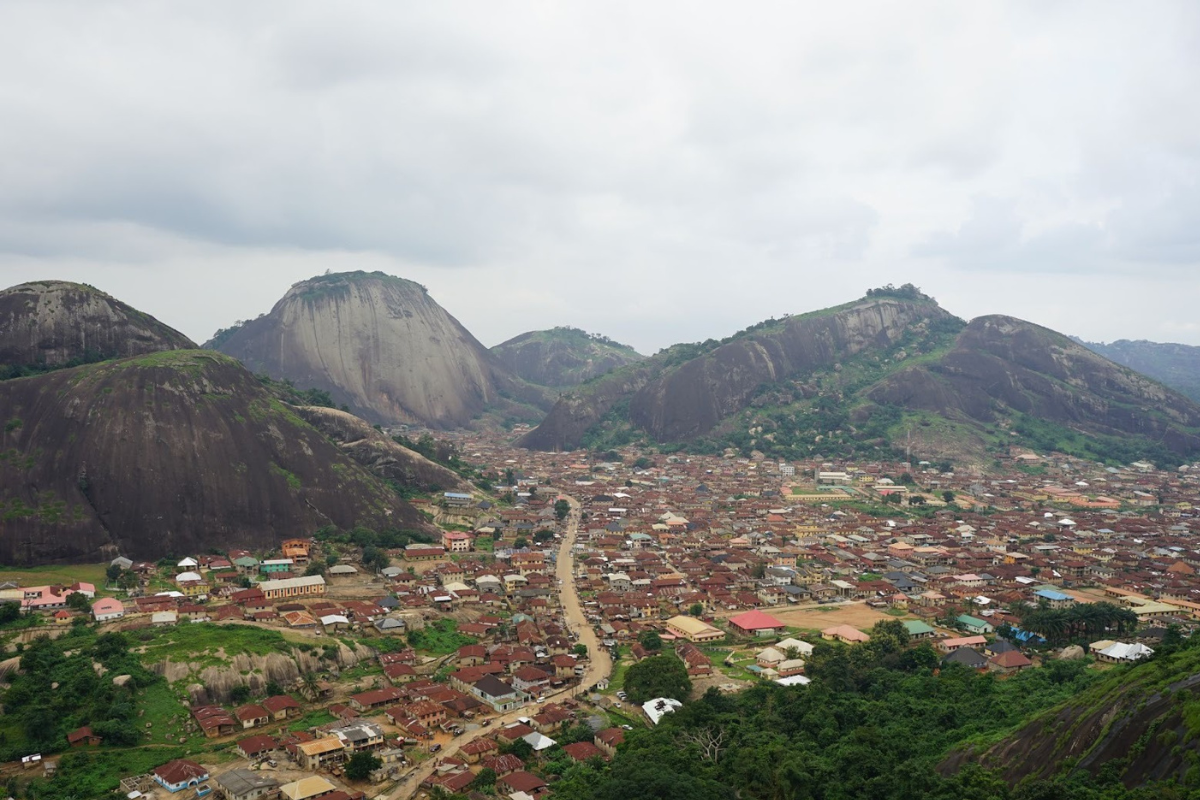
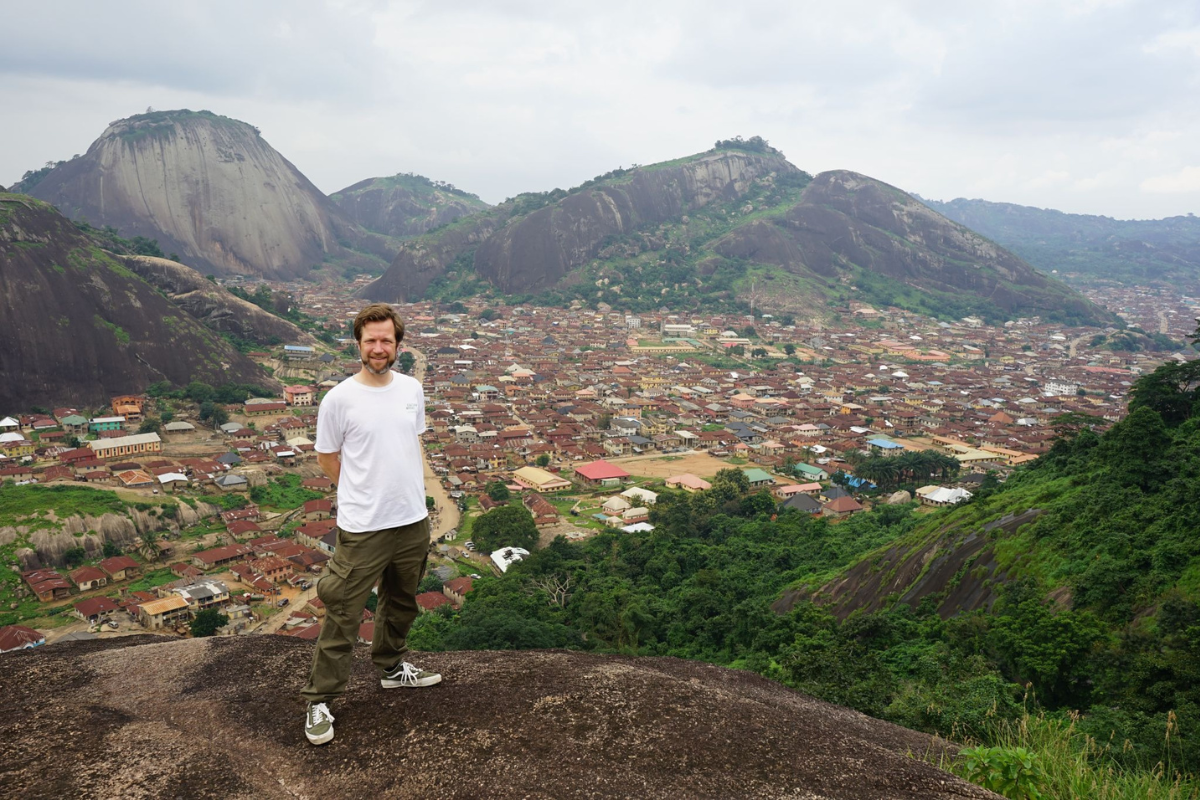
Idanre Hills
Explore the Idanre Hills, a UNESCO World Heritage site known for its beautiful rock formations and history. Climb the ancient steps to see old shrines, palaces, and mysterious writings on the rocks. This sacred place has been home to the Idanre people for centuries.
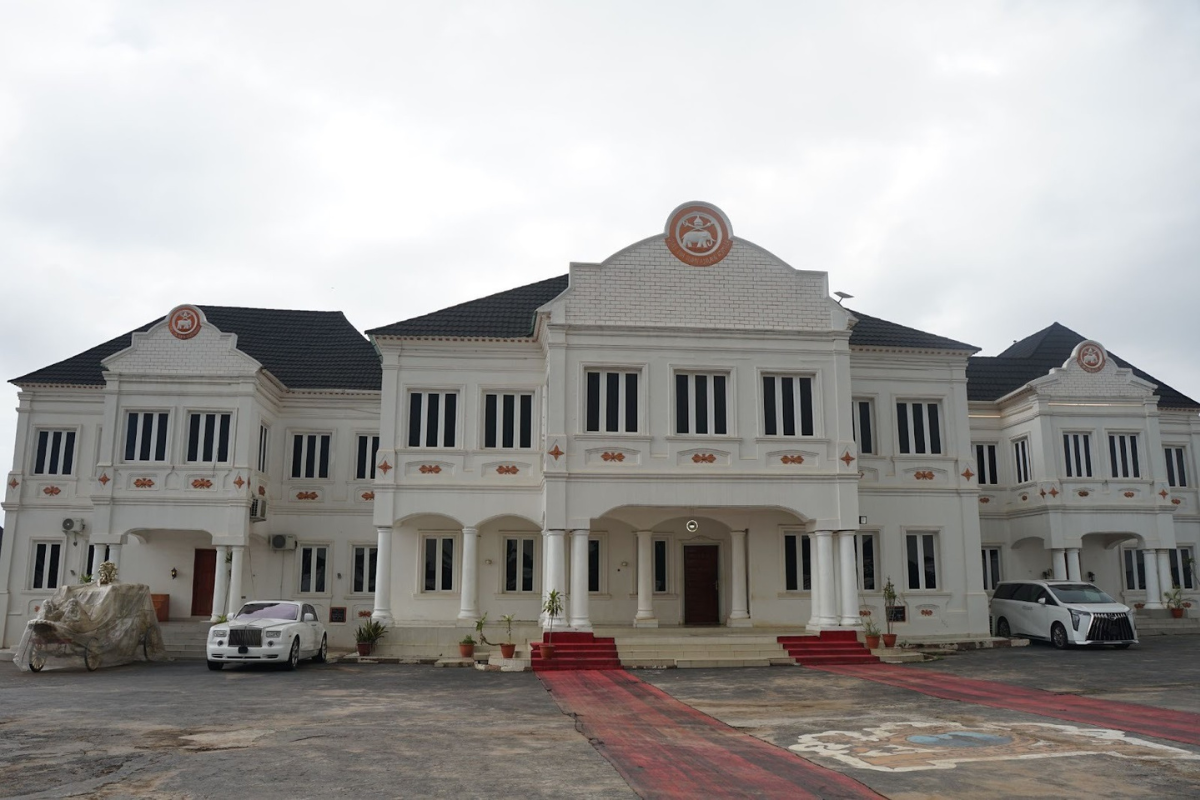
Ife
Ife is the cultural heart of the Yoruba people, full of history and tradition. A visit here isn’t complete without seeing the Ooni’s Palace, home of the city’s traditional leader, where you can get a sense of the rituals and influence of the Ooni. The Ife Museum is another must-see, with ancient bronze and terracotta artworks that showcase the city’s rich artistic heritage. Walking through Ife, you’ll feel its history come alive, from the streets to the museum collections, all reflecting centuries of Yoruba culture.
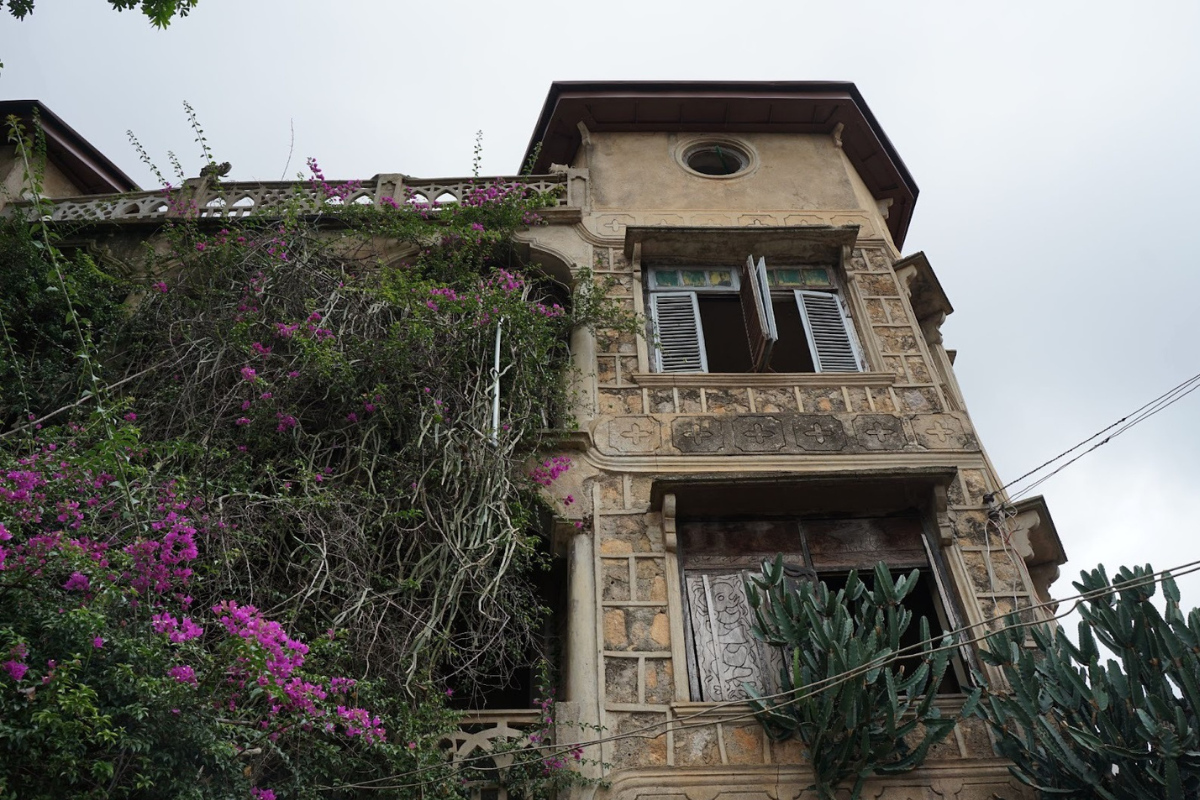
Susanne Wenger’s House in Osogbo
Wenger was an Austrian-born artist and priestess of the Yoruba religion who dedicated her life to preserving Nigerian culture and traditions. Her house stands as a striking example of Brazilian-style architecture that played a central role in Nigeria’s architectural heritage, featuring over 400 artworks within its walls.
Osun Festival
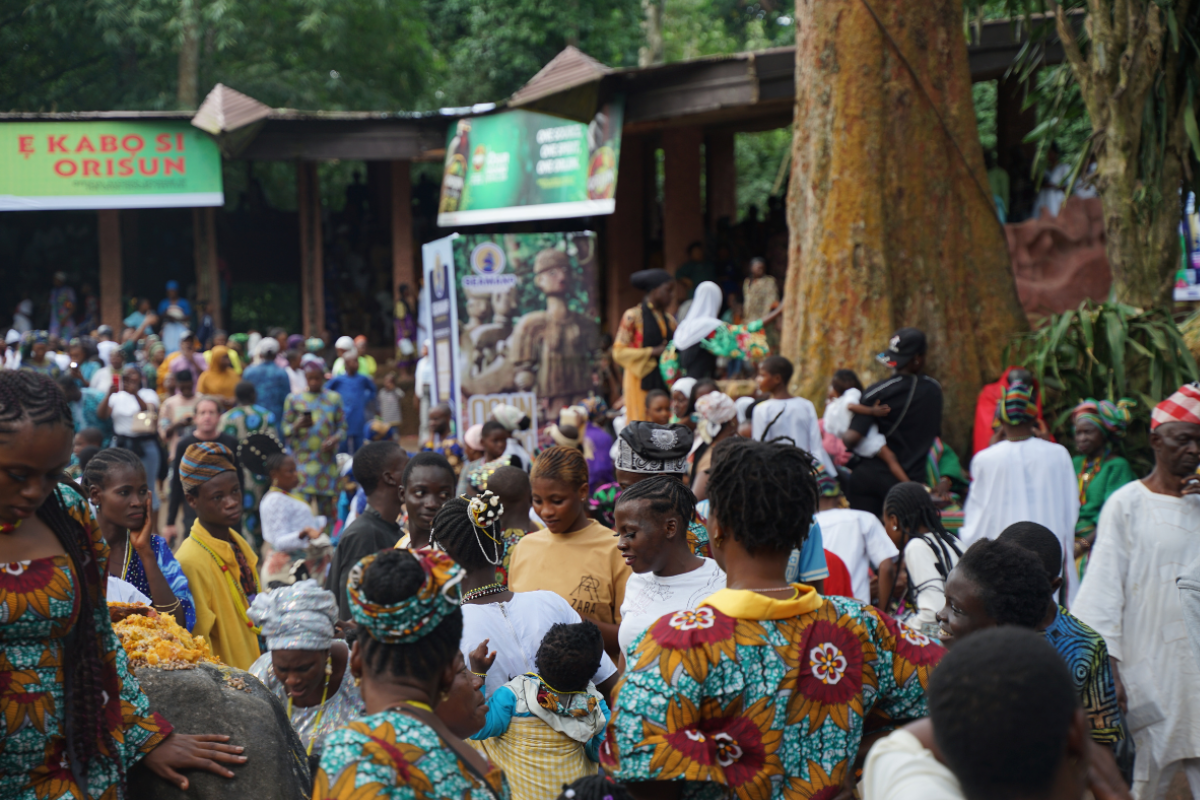
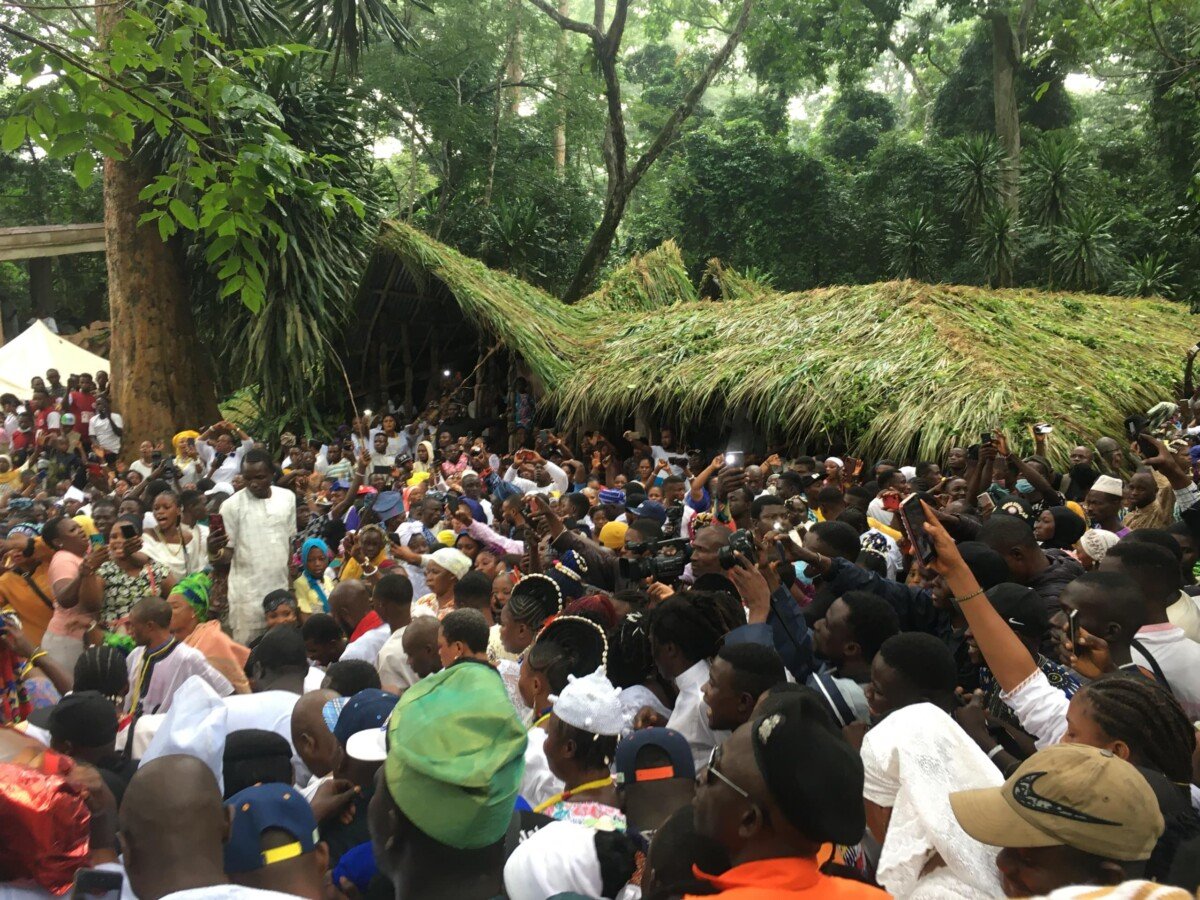
During our Osun Festival Group Tour, from 9 – 15 August 2026, we’ll experience part of the Osun Festival, one of Nigeria’s biggest festivals. It honors Osun, the river goddess of fertility. The festival helps people renew their connection to the divine. Osun blesses the community, and they promise to protect her Sacred Grove. This festival comes from the Yoruba religion, which started in West Africa and has over 100 million followers today.
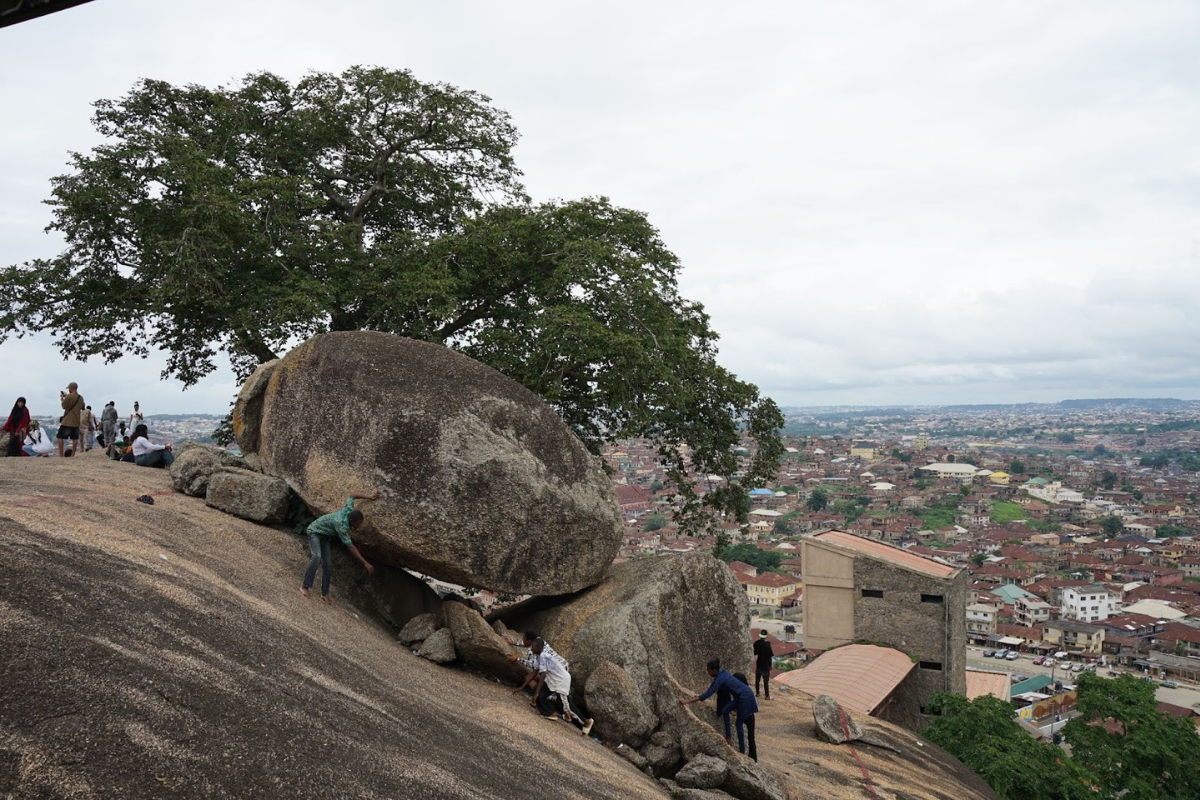
Olumno Rock in Abeokuta
This is a famous site that once served as a fortress for the Egba people during wars. You can climb the rock for great views, explore its caves, and learn about its cultural meaning.
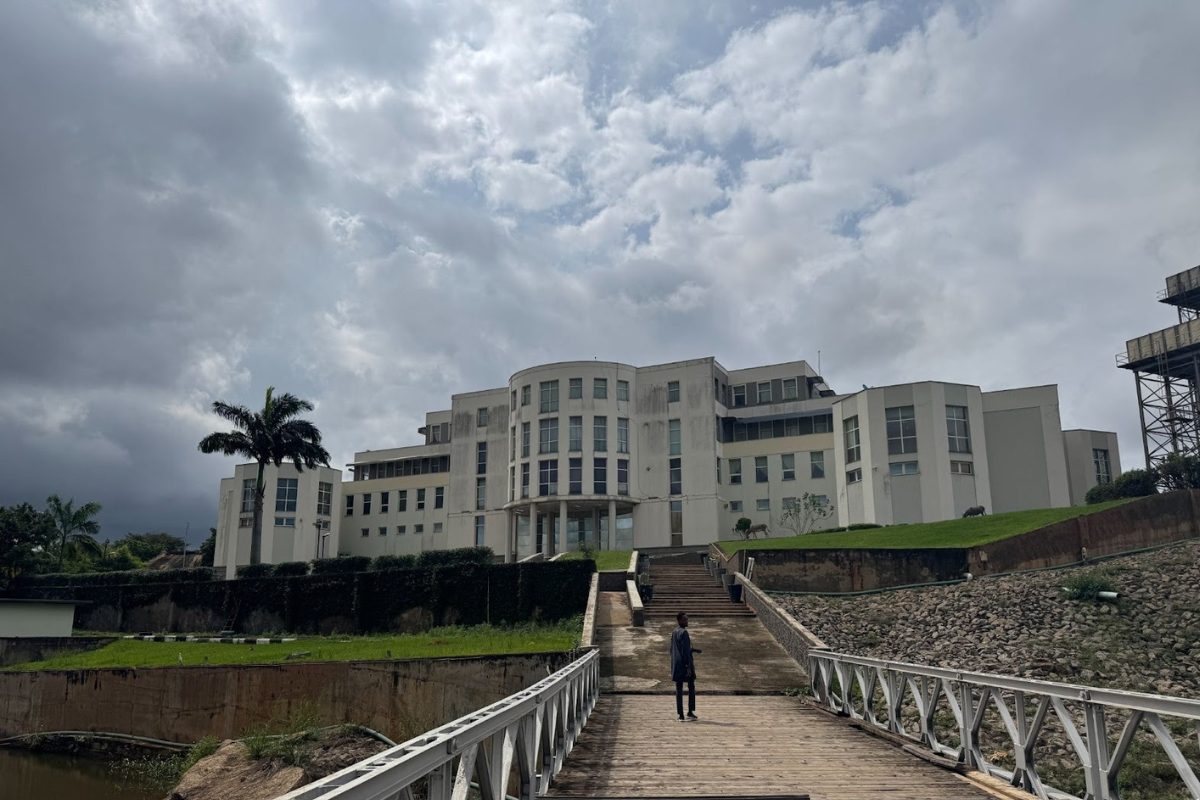
Olusegun Obasanjo Presidential Library in Abeokuta
Here, you’ll learn about the life of the former president. From his youth and military career to his time as Nigeria’s leader (first as a military head of state from 1976-1979, and later as a democratically elected president from 1999–2007).
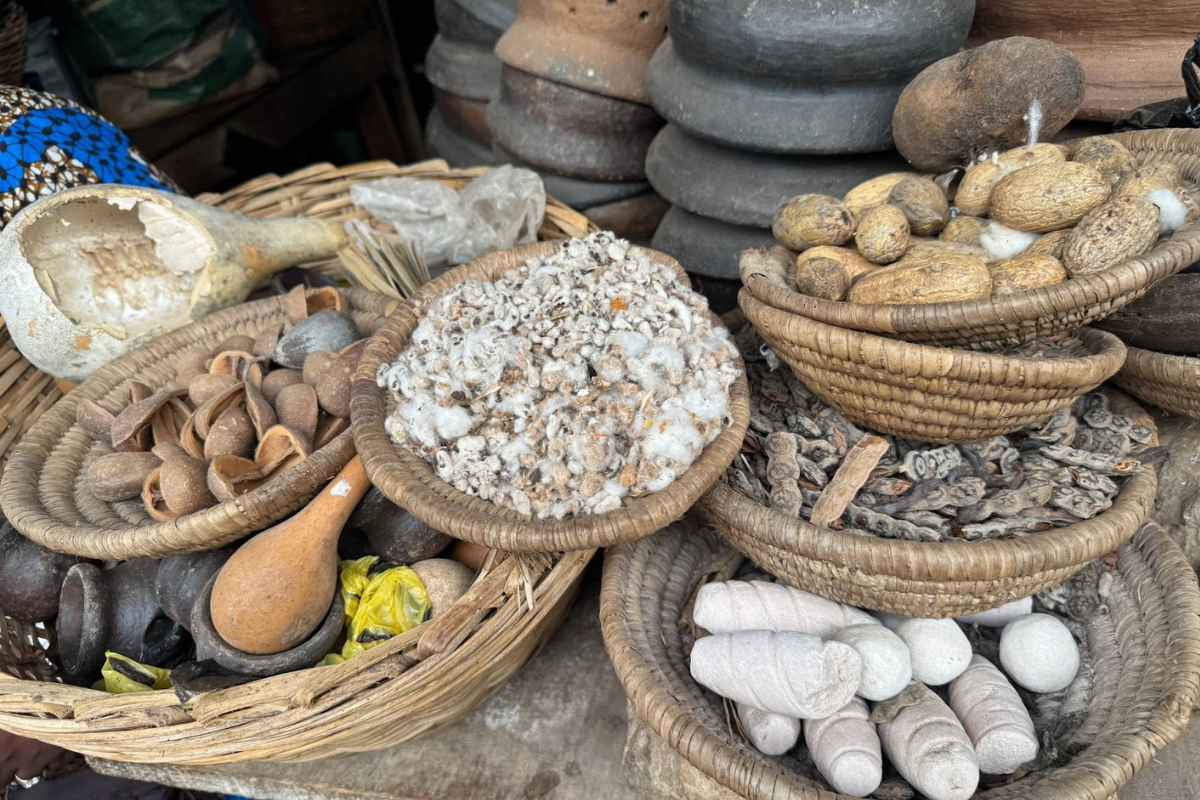
Fetish Market in Abeokuta
In some West African countries, like here in Nigeria, you can find fetish markets where objects are sold for use in animist or voodoo practices.Such as live (or dead) chameleons and medicinal plants. Many of these items represent Yoruba orishas or other spirits.
What should I wear in Nigeria?
Nigeria has a tropical climate, so lightweight, breathable fabrics are essential to stay cool and comfortable. Cotton and linen are good choices. Consider wearing light-colored clothing to reflect the sun’s rays. In the mainly Muslim regions in the north of Nigeria, it’s respectful for both men and women to dress modestly, covering their arms and legs. On the other hand, in cities like Lagos or Abuja, you’ll notice a variety of clothing styles, but it’s still recommended to dress modestly, especially when visiting religious sites or local communities.
Do I need a visa for Nigeria?
Yes, most travelers need a visa to enter Nigeria. You can apply for it yourself at the embassy, or we can help you arrange the visa.
Feeling inspired?
In Nigeria you will learn about the history behind the rituals, meet local communities, and explore important cultural sites. Our experienced guides will make sure you understand what is happening and help you get the most out of every moment.
During our Osun Festival Group Tour from 9 – 15 August 2026, you will also enjoy visits to Lagos, the magical, ancient hills of Idanre, and we’ll discover the deep-rooted history of Ife. It is a unique opportunity to see Nigeria from a different perspective and connect with people who are proud to share their traditions.
Travelling in Nigeria: Everything you need to know
Explore Nigeria’s rich culture, history, and natural beauty. From vibrant Lagos to historic Ife and the magical Osun Festival. Discover everything you need to know…
Experience the Osun-Osogbo Festival in Nigeria
Nigeria is a country with rich culture and many traditions. One of the best ways to experience this is by joining the Osun Osogbo Festival,…