
 English
 Nederlands
Algeria Total Solar Eclipse Tour 2027
Eclipse Tour Algeria
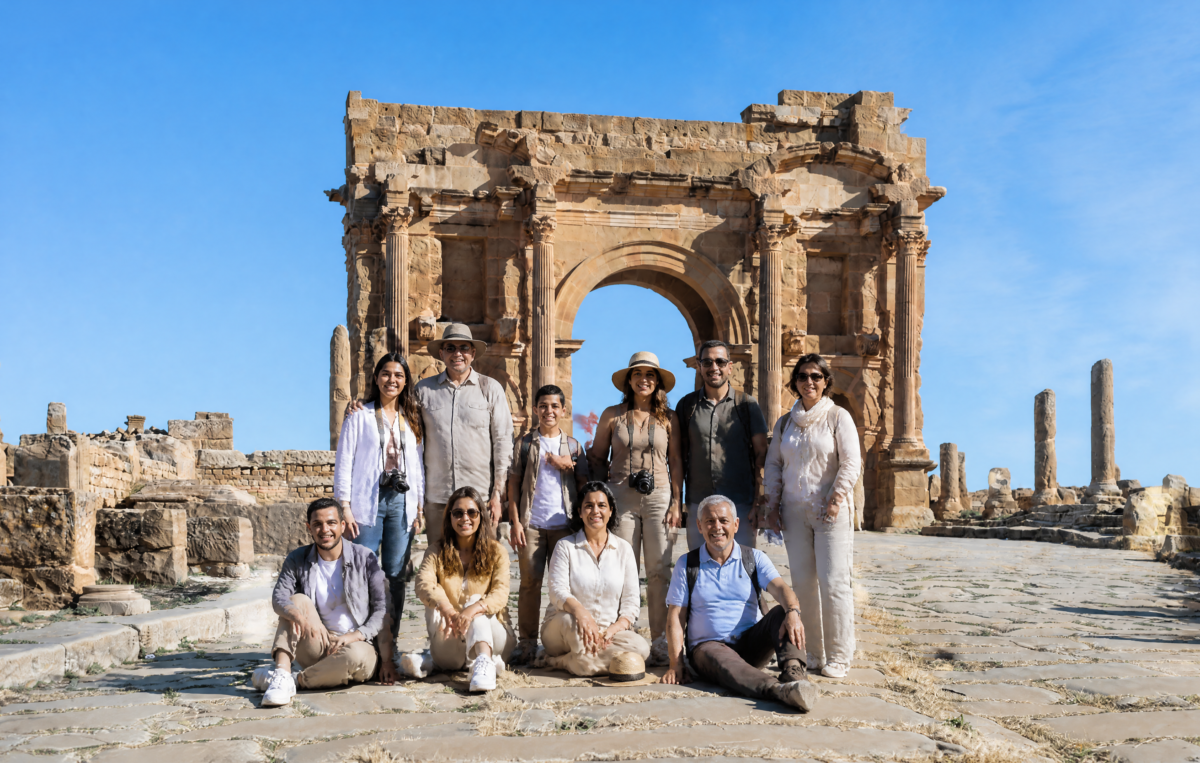
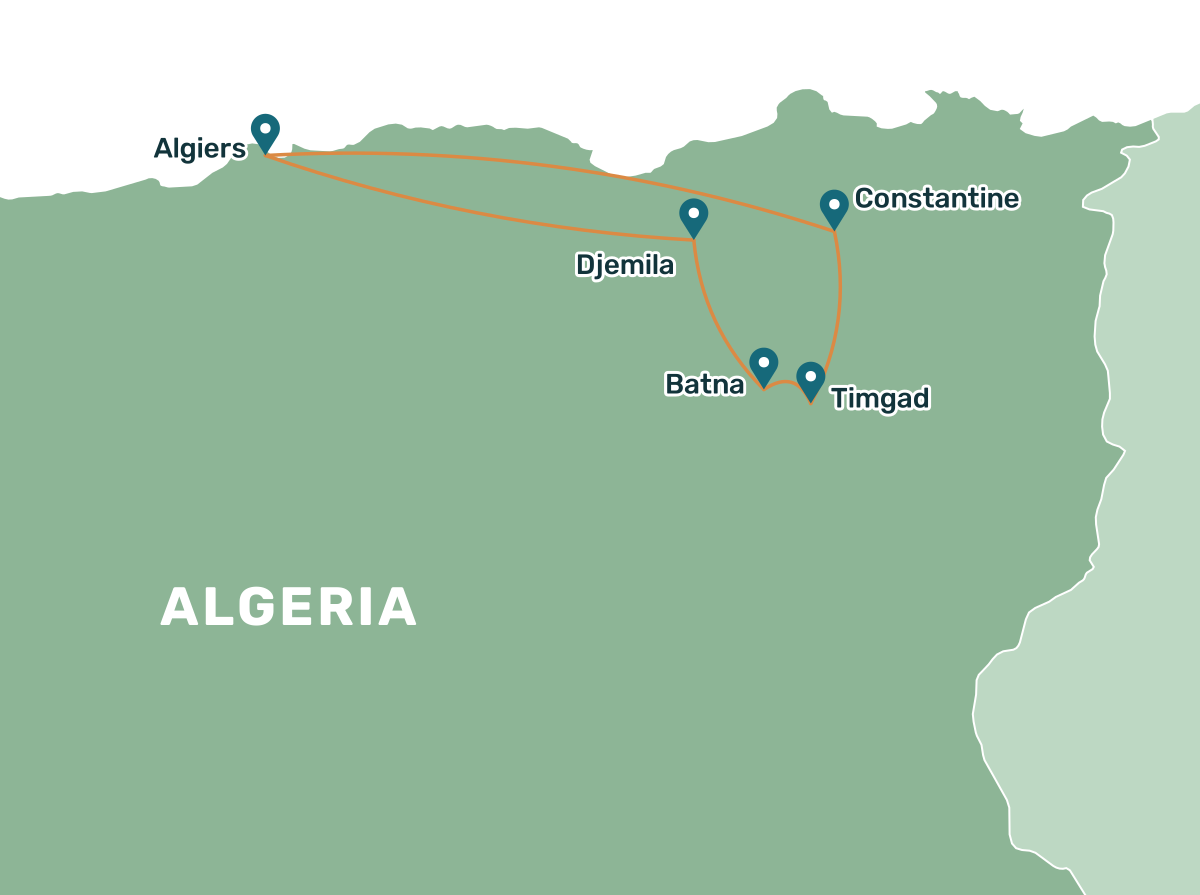
Five minutes without the sun. On 2 August 2027, we’ll be standing among the Roman ruins of Timgad as the moon moves in front of it. Quite a good reason to visit Algeria. But the eclipse isn’t the only reason we’re going. Over six days, we’ll make our way from the lively backstreets of Algiers’ Casbah to the Roman ruins of Djemila, where the mosaics have stood the test of time remarkably well. We’ll finish in Constantine, a city that seems to have built itself across a deep gorge, connected by a whole collection of bridges. Algeria, then, with a solar eclipse thrown in for good measure.
General info
| Start date: | Friday 30 July 2027 |
| End date: | Wednesday 4 Augustus 2027 |
| Days: | 6 days / 5 nights |
| Price: | € 1995 |
| Including: | Accommodation (shared) Transportation on the ground English-speaking local guide CultureRoad tour leader Invitation letter for visa application if needed Airport pick-up and drop-off Breakfast Entry fees |
| Excluding: | International flights Single room (€ 250) Lunch, dinner Insurance Tips for the guide Personal expenses |
This offer is covered by the STO Garant guarantee. You can find the conditions for this guarantee scheme on STO Garant’s website.
Itinerary
Day 1 – Friday 30 July – Algiers
Arrival at Algiers airport, where our driver is waiting for you. From there you transfer to the hotel in downtown Algiers.
Algerians call their capital El Bahdja, “the radiant one”, and it’s also known as Algiers the White – thanks to the whitewashed facades rising up from the Mediterranean coast. It’s a city where Phoenician, Ottoman and French colonial history sit on top of each other, sometimes literally. Tonight there’s nothing on the programme: check in, have dinner, and rest up for tomorrow.
Overnight stay in a hotel in Algiers.
Day 2 – Saturday 31 July – Algiers
After breakfast we start the day in the Casbah, a UNESCO World Heritage Site and the historic heart of the city. Walking its steep, narrow stairways, you pass traditional courtyard houses (douiras), artisan workshops, old fountains and centuries-old mosques – as well as key places from Algeria’s War of Independence.
After we walk down into the 19th- and early 20th-century city centre built under French rule. The walk ends at La Grande Poste (1910), the city’s white landmark, where European civic architecture meets Moorish arches, carved plasterwork and cedar ceilings.
Next is the Jardin d’Essai du Hamma in the Belouizdad district, a 32-hectare botanical garden founded in 1832 as an acclimatisation garden. On the heights of El Madania stands Maqam Echahid, the Martyrs’ Memorial and the esplanade gives you a wide view over the Bay of Algiers. Directly beneath the memorial plaza is the National Museum of the Moudjahid. It tells the story of Algeria’s resistance against colonial rule.
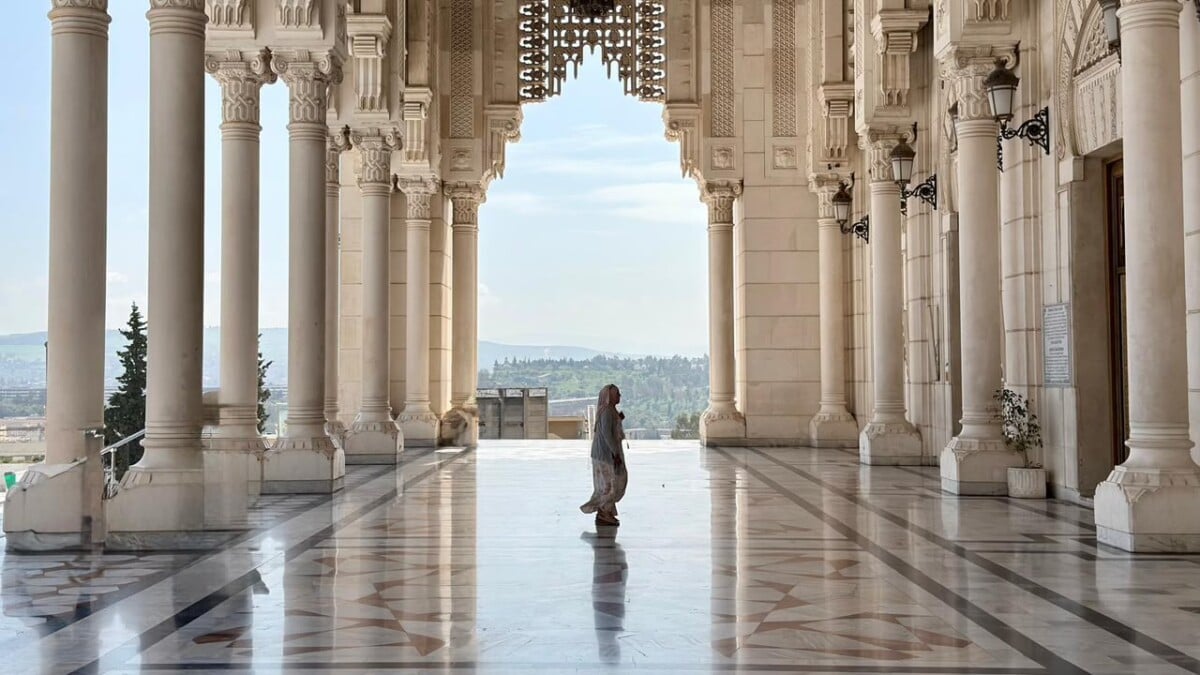
We end the day at Djamaa el Djazair, the Great Mosque of Algiers, overlooking the bay in Mohammadia. It’s the largest mosque in Africa and the third-largest in the world, and its minaret – 265 metres – is the tallest on the planet.
Overnight stay in Algiers.
Day 3 Sunday 1 August – Algiers – Djemila – Batna
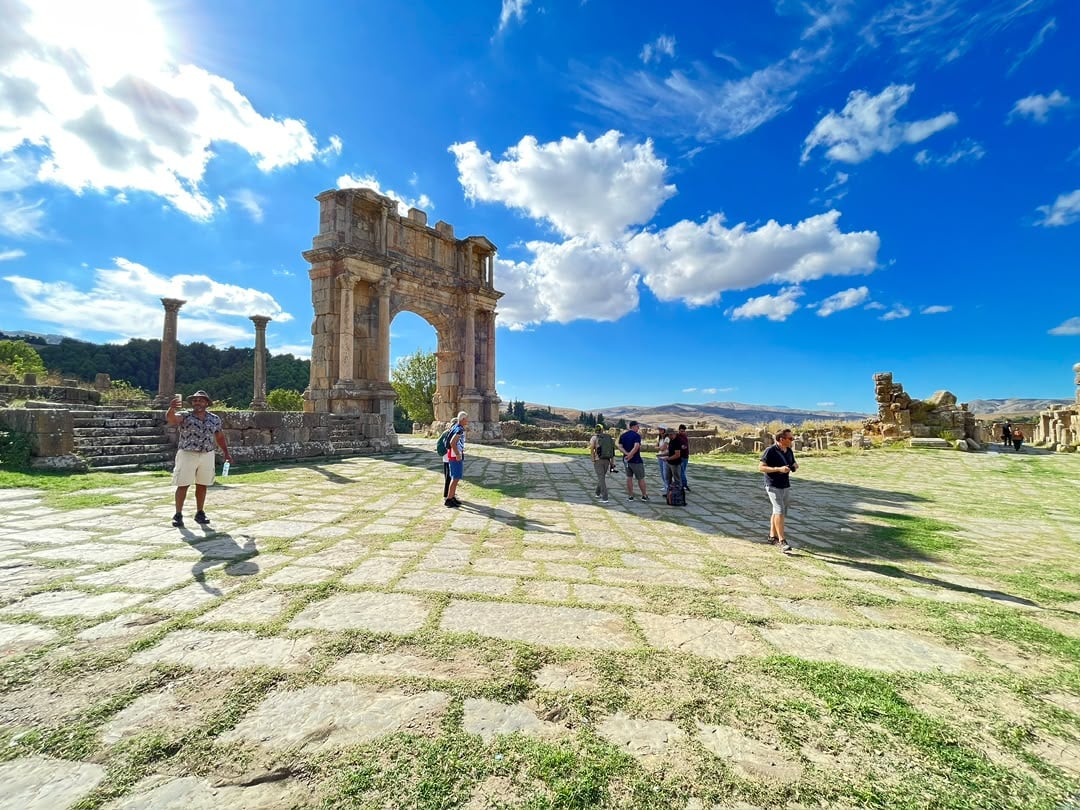
Today we will drive about 3.5 hours east to Djemila, through scenic countryside. Djemila, the Roman town of Cuicul, is a UNESCO World Heritage Site on a narrow mountain spur. You walk past the Arch of Caracalla, the Severan forum and temple, a remarkably well-preserved market with the merchants’ stone tables still in place, early Christian basilicas and a theatre built into the hillside.
At the entrance of the site is the museum, with Roman floor mosaics from Djemila’s wealthy villas and public baths. There are also marble sculptures and everyday objects from Roman life.
In the afternoon we drive about 2.5 hours to Batna, the capital of the Aurès and the cultural heartland of the Chaoui, one of Algeria’s Amazigh (Berber) peoples. The town is surrounded by mountains covered in cedar forest, and it’s our base for tomorrow: Timgad is close by.
Overnight stay in a hotel in Batna.
Day 4 – Monday 2 August – Batna – Total Solar Eclipse – Timgad – Constantine
In the early morning we drive to Timgad for one of the reasons you came: the total solar eclipse.
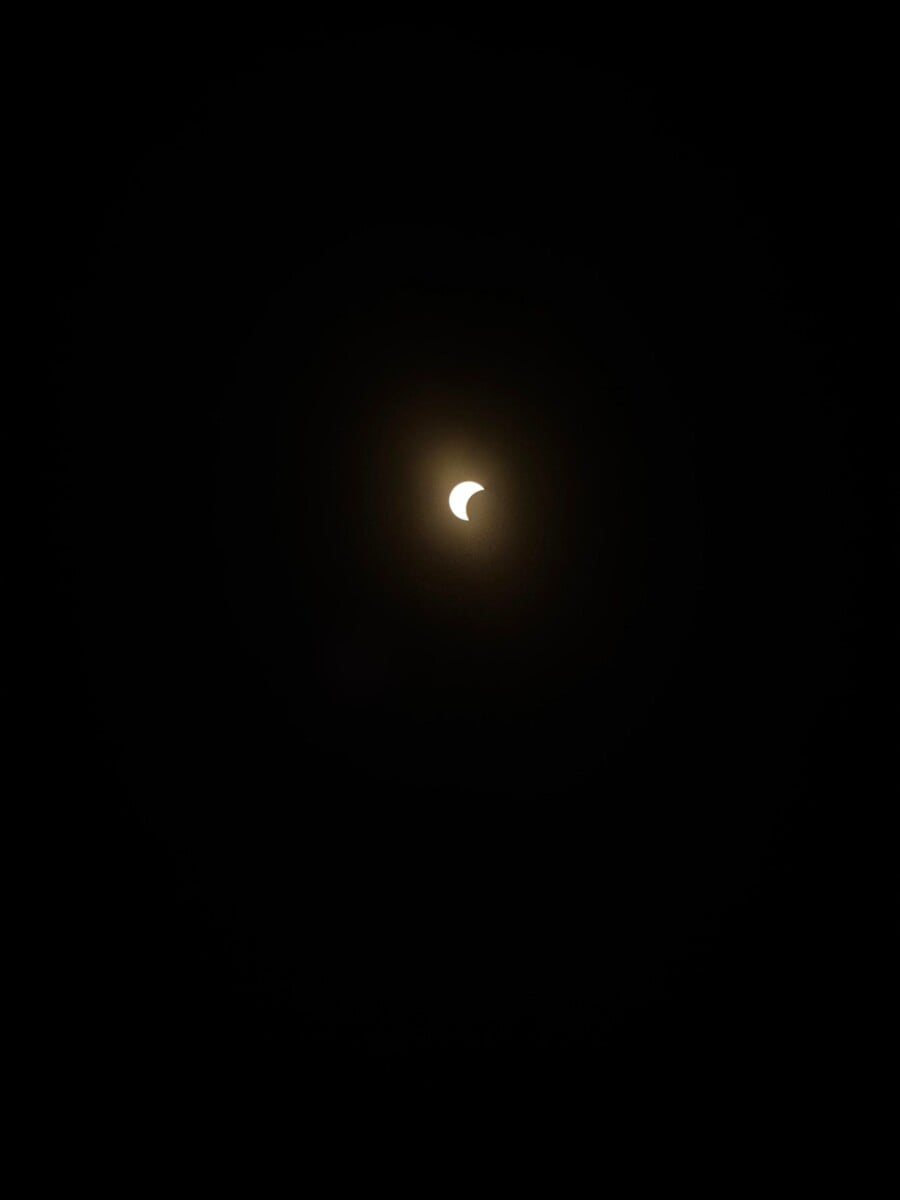
On the morning of 2 August 2027, Timgad lies right in the path of totality of one of the longest total solar eclipses over land this century. Around 10:00 the Moon covers the Sun completely, for about 5 minutes and 20 seconds. You watch it standing between 2,000-year-old stone columns, at 1,000 metres altitude, in the clear air of the Aurès. Hard to think of a better spot.
After the eclipse there’s a guided visit of Timgad itself, the Roman city of Thamugadi and a UNESCO World Heritage Site. It’s the best surviving example of a Roman grid plan, with the two main streets crossing at right angles. Highlights are the Arch of Trajan, the theatre with 3,500 seats, the Capitolium temple, no fewer than fourteen bath complexes and one of the few public libraries that survive from the Roman Empire.
In the afternoon you drive north to Constantine, the “City of Bridges” and ancient Cirta, perched on a limestone plateau surrounded by a deep canyon. You arrive in the evening.
Overnight stay in a hotel in Constantine.
Day 5 – Tuesday 3 August – Constantine – Algiers
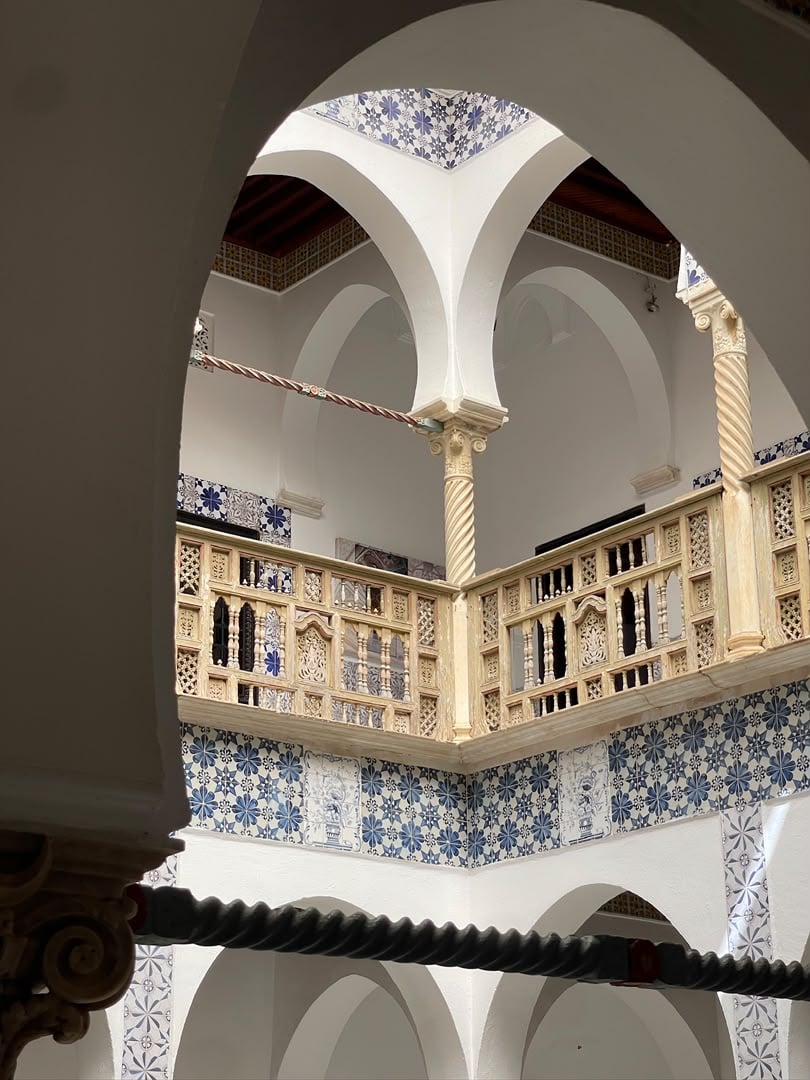
Today we’ll discover Constantine, one of Algeria’s most distinctive cities. We start at the Ahmed Bey Palace. It covers more than 5,600 square metres and is a showpiece of Maghrebi-Ottoman architecture: quiet courtyards with orange trees and palms, marble colonnades.
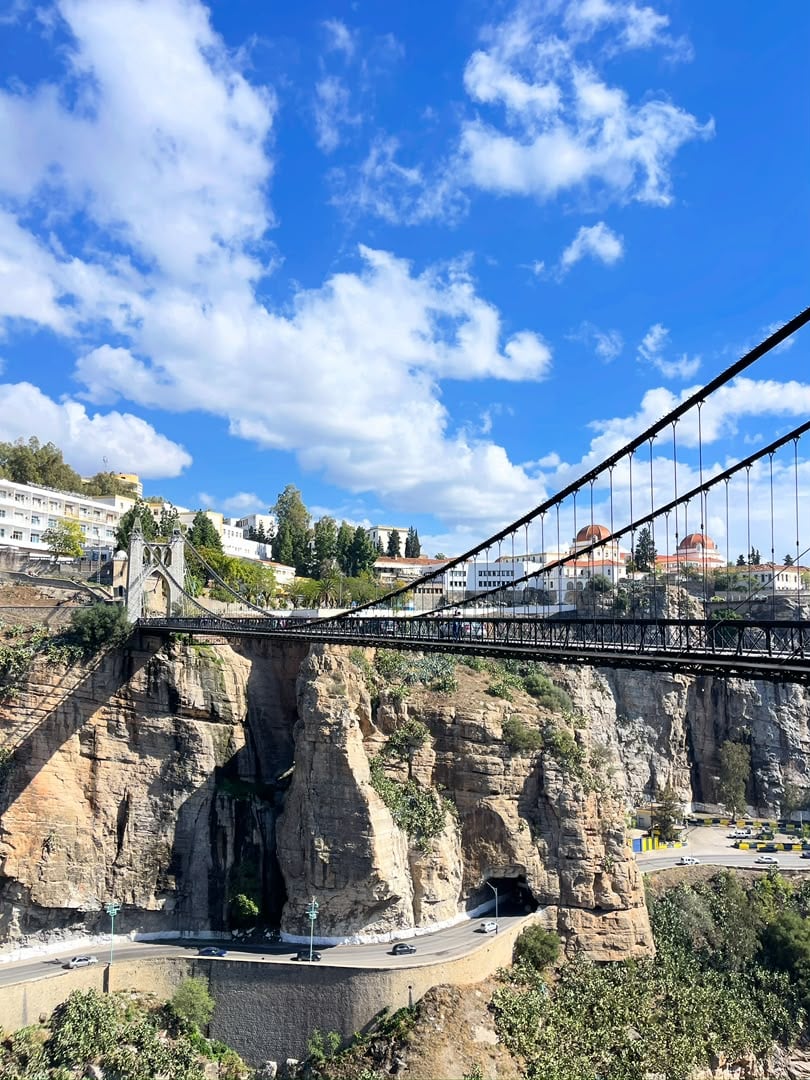
Then the Sidi M’Cid bridge. This 164-metre suspension bridge hangs 175 metres above the bottom of the Rhumel gorge, and when it was completed it was the highest bridge in the world. You walk across – with the canyon and valley below you.
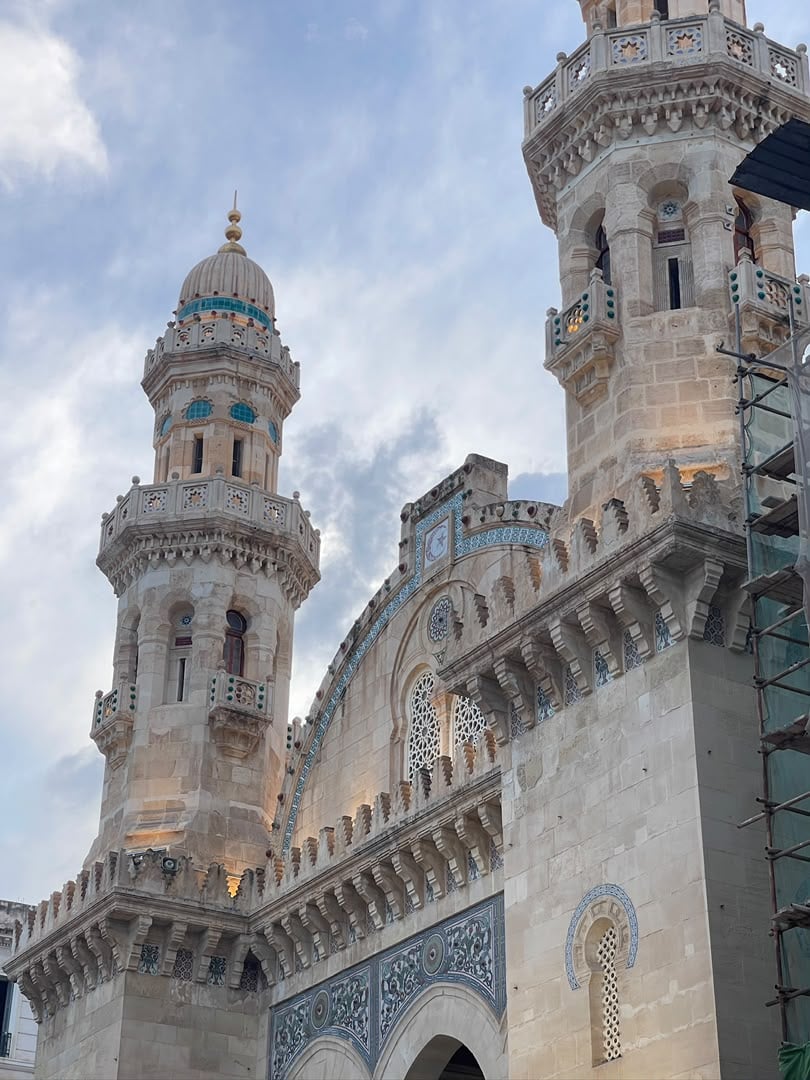
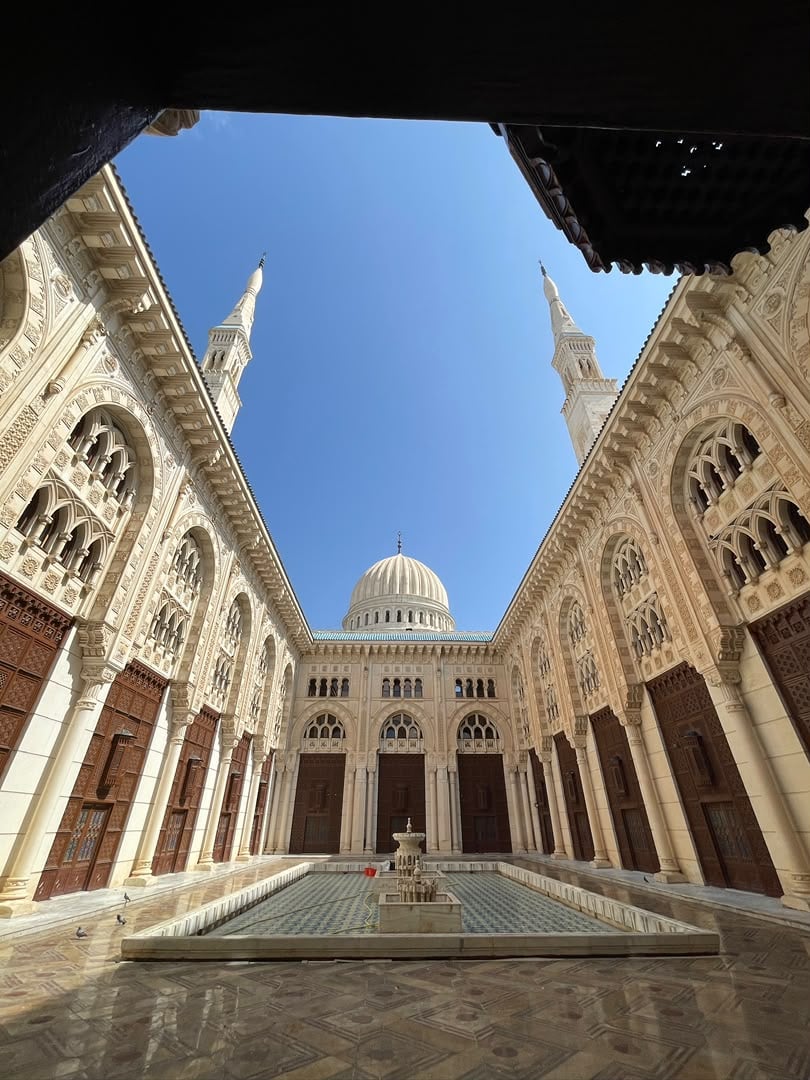
After we visit the Monument aux Morts, a WWI memorial modelled on Timgad’s Arch of Trajan, with one of the best views of the city. Then the Cirta Museum, covering eastern Algeria from prehistory through Numidian, Roman and Islamic times to the colonial era. We walk along the Rhumel gorge, up to 200 metres deep, and end at the Emir Abdelkader Mosque (1994), with its two 107-metre minarets.
After our city tour, we’ll make our way back to Algiers, where we’ll spend our final night in the country.
Overnight stay in a hotel in Algiers.
Day 6 – Wednesday 4 August – Algiers departure
All good things come to an end, even a journey involving a rather rare astronomical event. After breakfast, we’ll arrange your transfer to Algiers International Airport for your international departure.
Which marks the end of this trip.
Frequently asked questions
Absolutely. The eclipse is the special occasion around which we’ve planned this trip, but there’s much more to it. The Roman archaeological sites, the historic cities and the opportunity to explore Algeria make this an interesting journey in its own right.
A little over five minutes, around 5 minutes 20 seconds. The absolute maximum (6 min 23 s) is in Egypt, but five minutes is already more than twice what most total eclipses give you.
Algeria has a lot to offer travellers interested in history, culture and everyday life beyond the usual tourist destinations. However, travelling around the country requires some preparation, and local knowledge is valuable. On this tour, we’ll travel together with local support and a programme arranged in advance.
Spain’s coast is more likely to get haze or cloud, and Egypt will be packed. Algeria combines a long totality with dry inland weather, Roman sites to watch from, and far fewer people.
Unlikely in the Aurès in August, but not impossible. As the eclipse is a natural event, so clear skies can never be guaranteed. We’ll do our best to choose the best viewing location. Whatever the weather, we’ll continue with the other highlights of the programme.
The north of Algeria, including this route, is visited by organised groups without problems. Check the current travel advice of your own government before booking.
Maximum of 12 travellers, led by a tour leader from Cultureroad together with a local Algerian English-speaking guide.
Yes, we can book extra nights before or after the tour. Or for example, a trip to Tipasa or the Sahara. Just let us know and we will create a proposal for you.
We’ll head to the Timgad area in eastern Algeria to watch the eclipse. The exact viewing location will be determined closer to the date, taking local conditions, accessibility and visibility into account.
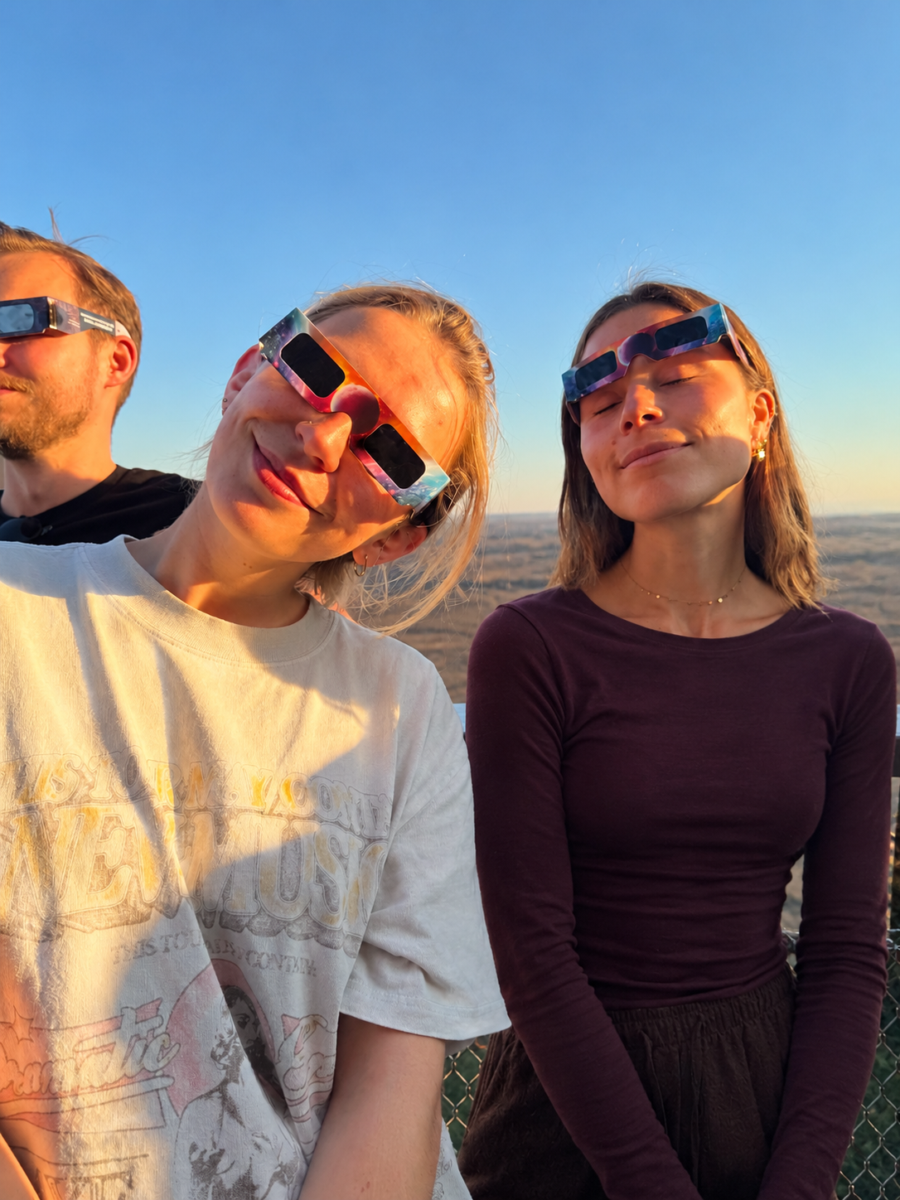
Yes. Certified solar eclipse glasses are essential whenever you look directly at the Sun during the partial phases of the eclipse. Ordinary sunglasses are not sufficient. Only during the brief period of totality, when the Sun is completely covered, is it safe to look at the eclipse without eye protection. Always follow your tour leader’s instructions.
We’ll stay in hotels throughout the tour. All standard, 3 star, hotels.
Most travellers do, applied for in advance at an Algerian embassy or consulate. We provide the invitation letter from our licensed local partner. Check the rules for your passport and apply well in time.
Absolutely. The eclipse is the special occasion around which we’ve planned this trip, but there’s much more to it. The Roman archaeological sites, the historic cities and the opportunity to explore Algeria make this an interesting journey in its own right.
Algeria is a predominantly Muslim country, so it’s a good idea to dress modestly, particularly when visiting religious sites and traditional neighbourhoods. We recommend clothing that covers your shoulders and knees and isn’t too tight or revealing. Men should also avoid walking around shirtless in public. There’s no need to pack a completely different wardrobe, just be mindful of local customs.
Always ask permission before photographing people, especially when taking close-up portraits. This is particularly important when photographing women. A friendly gesture or asking first goes a long way. Also, avoid photographing government buildings, military installations, airports and other security-sensitive locations. If you’re unsure whether photography is allowed, ask your local guide.
Tipping isn’t compulsory in Algeria, but it’s appreciated and fairly common in some situations. Some restaurants include a service charge in the bill, so check before leaving an additional tip. Taxi drivers generally don’t expect tips. Your local guide can advise you on what’s customary during the trip.