
 English
  Nederlands
Mali Group Tour
Mali Group Tour: Timbuktu & Beyond
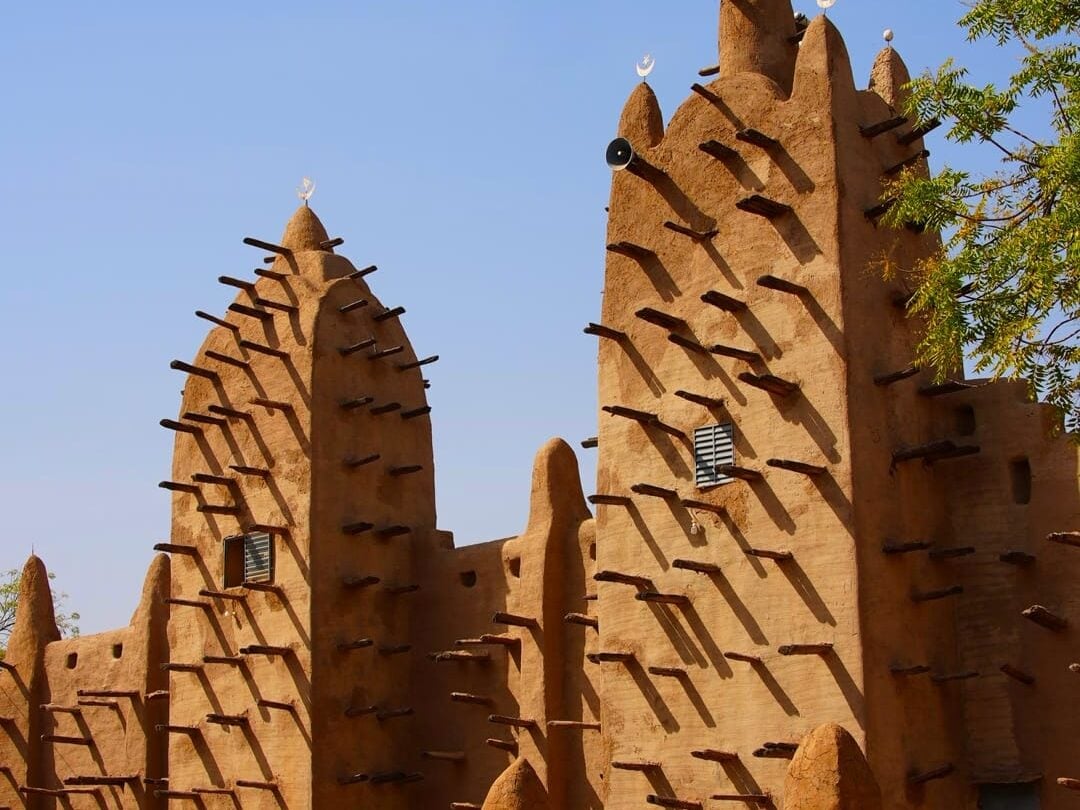
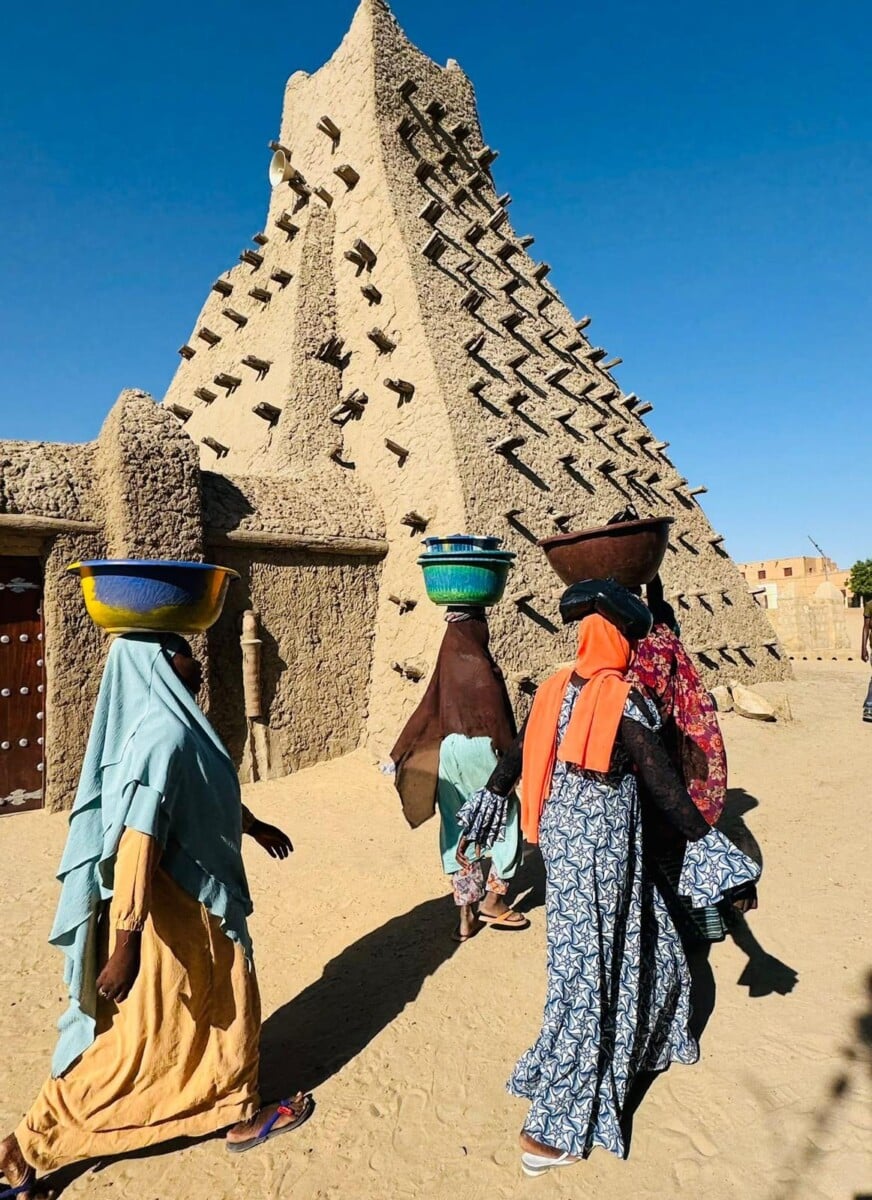
Venture deep into the heart of Mali on our newest tour to the legendary city of Timbuktu, where centuries-old mud mosques, ancient manuscript collections, Tuareg cultural traditions, and vibrant festival celebrations bring the history of the Sahara to life. From the historic trading centres of Timbuktu and Ségou to the cultural landscapes of Manding Country, this expedition offers an unforgettable exploration of one of West Africa’s most fascinating and storied regions.
Good to know: There’s a first for everything, this tour is our Explorer’s Tour. It’s a new group tour, which means you get to be first with us to explore Mali and Timbuktu. However, it also means adventure, as with a first tour not everything might go as planned. Please keep this in mind when booking.
Dates for 2027 and 2028 are coming soon!
General info
| Date: | Dates for 2027 and 2028 are coming soon! |
| Days: | 5 days / 4 nights |
| Price: | € 3,995 |
| Including: | Accommodation (shared) Transportation on the ground Flights Bamako ↔ Timbuktu English speaking local guide CultureRoad tour leader Breakfast Entry fees Visa support |
| Excluding: | International flights Single room supplement € 180 Visa Lunch and dinner Tips Personal expenses |
This offer is covered by the STO Garant guarantee. You can find the conditions for this guarantee scheme on STO Garant’s website.
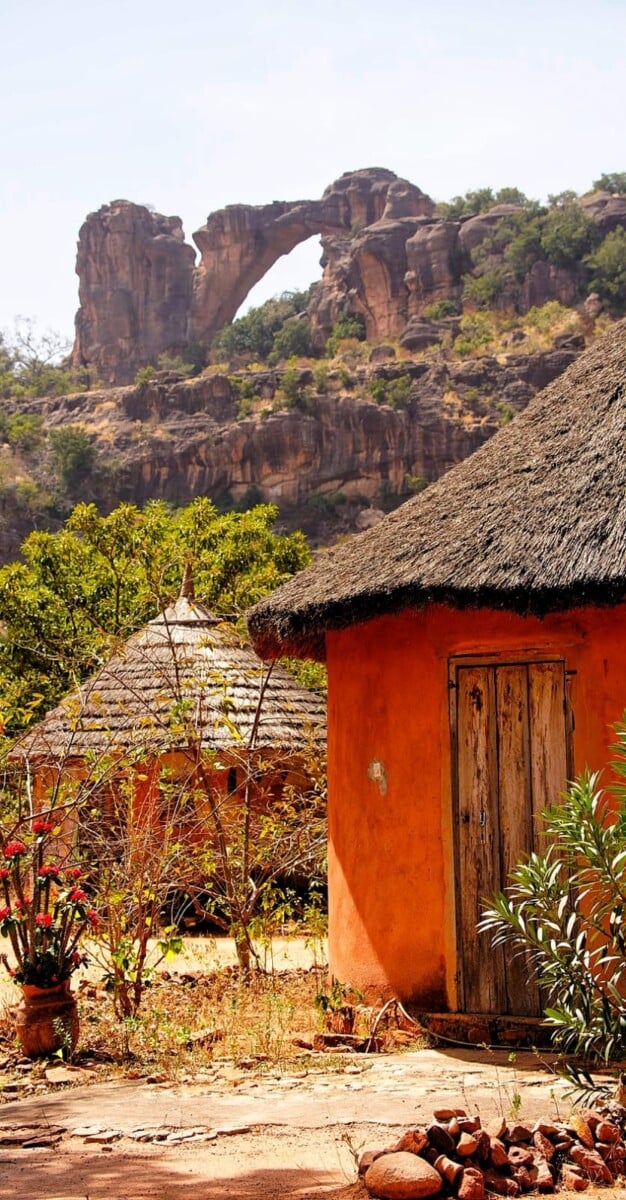
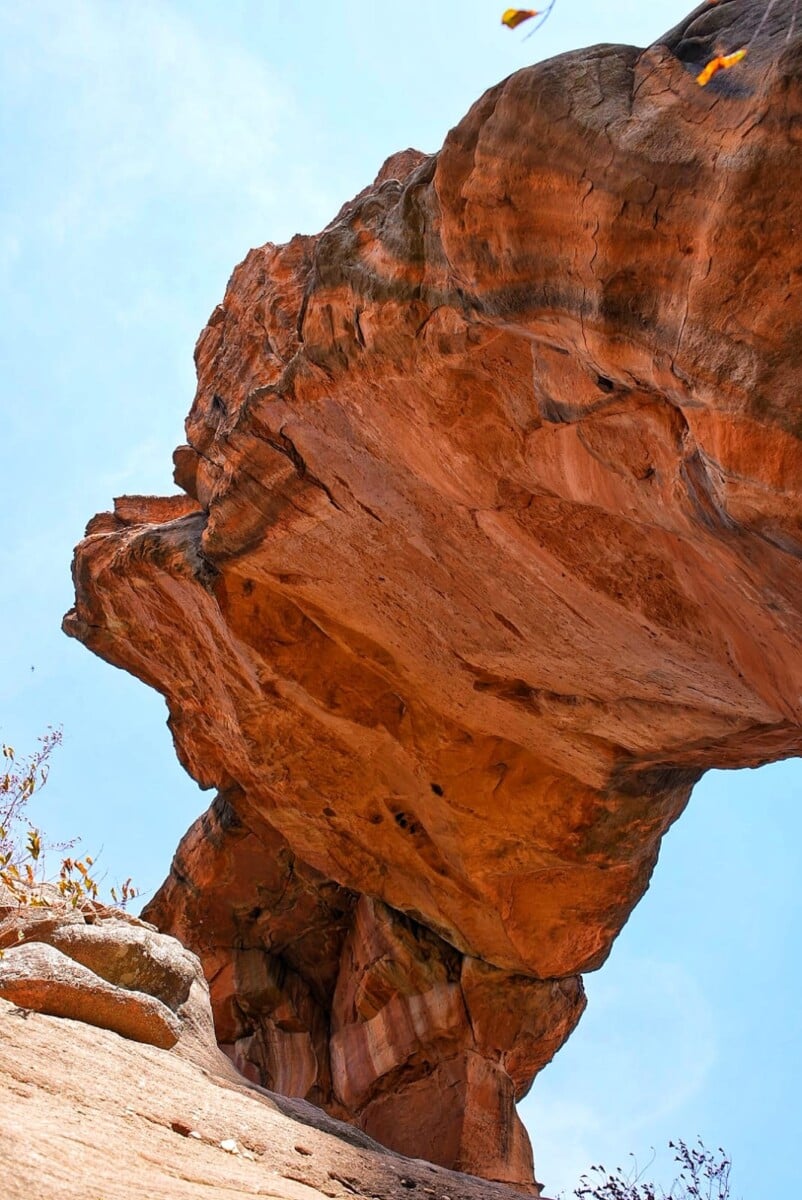
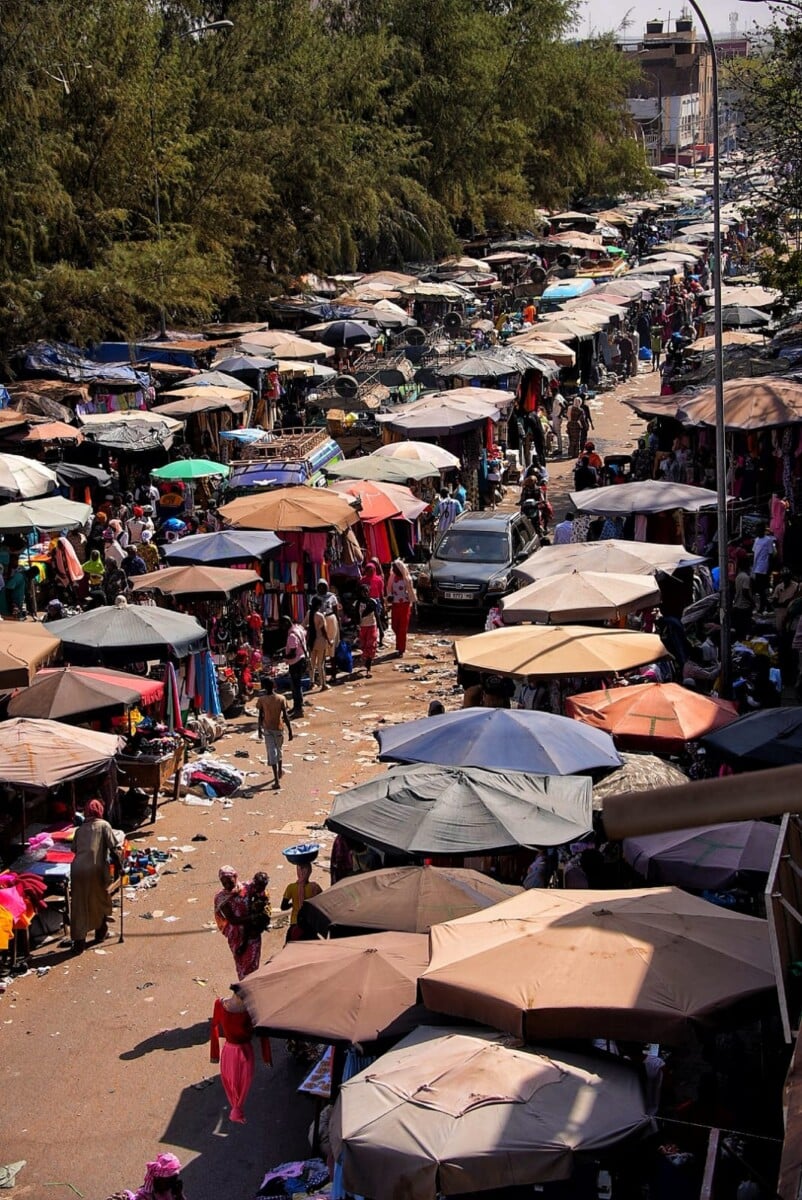
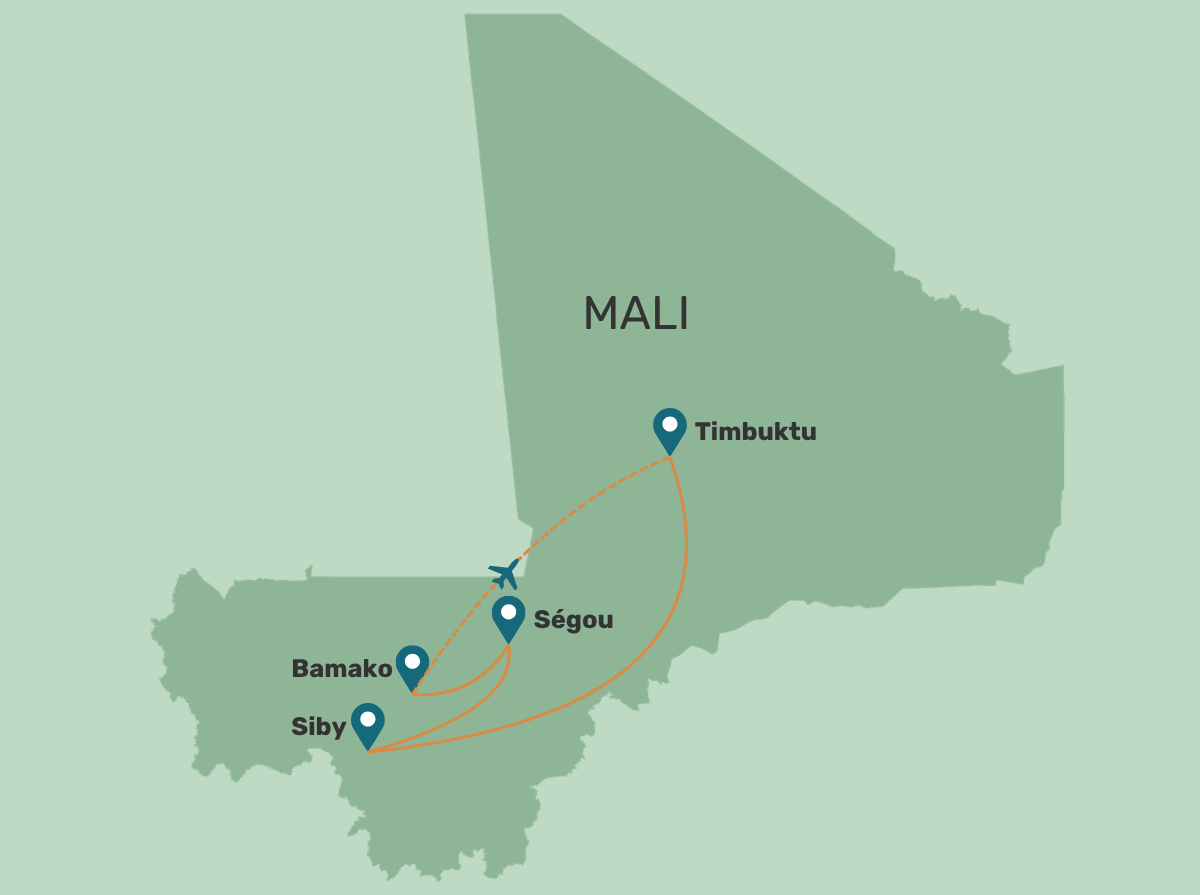
During this journey, we travel through some of Mali’s most iconic and culturally rich regions, including Bamako, Ségou, Siby and Timbuktu.
If you would like the detailed day-by-day information, feel free to get in touch with us.
Combine this trip with our Burkina Faso Highlights Tour.
Travelling in Mali requires some flexibility, as conditions can change from time to time. The area that we visit in Mali is generally safe for travellers, but like anywhere, it’s good to stay cautious. We only operate a tour if our local partners and security assessment indicate that the planned route is feasible at that moment. If the situation changes, we will adjust or cancel parts of the itinerary when needed. Safety always comes first.
For this reason, we ask our travellers to remain flexible throughout the trip, as ensuring everyone’s safety is our top priority. Our goal is to provide everyone with an unforgettable tour, but the local guide will always have the final say on any changes to the itinerary.
Yes, most nationalities need a visa. Mali offers an online visa (e-Visa) system. Apply at least 3 to 4 weeks before departure, but the earlier the better. Most people apply 3 or 4 months in advance. During the application process, you will be assigned to an embassy that will review your application.
For travellers from the Netherlands, Belgium, and the United Kingdom, applications are generally handled through the Embassy of Mali in Brussels and, in most cases, there is no need to visit the embassy in person. Other nationalities may be assigned to a different embassy.
Please note that visa services for U.S. and French passport holders are currently suspended.
- Always follow the instructions of your local guides and tour leader. With extensive experience, they can sense when something is not right. They notice far more than we do, so it’s essential to listen to them at all times.
- Do not explore independently unless approved by the guide.
- Do not share details of the itinerary or hotel names with anyone. While such questions may be asked simply out of curiosity, we refrain from disclosing this information as a precaution.
- Avoid engaging in political conversations, discussions about the military authorities or sensitive security topics with locals. If you have any questions on what exactly to avoid, please ask our local guide or tour leader first.
- Stay away from demonstrations, public protests and large gatherings.
- Keep valuables out of sight. Also avoid wearing expensive jewellery or luxury watches. Please leave them at home.
- Travel days may start early to minimise driving after dark and to reduce delays at checkpoints.
- We recommend registering your trip with your country’s foreign affairs department before departure.
The official currency is the West African CFA Franc (XOF). ATMs are available in larger cities but cannot always be relied upon. We recommend bringing Euros (which is the preferred currency) in cash, which can be exchanged locally with assistance from your guide. Credit cards are accepted only in a limited number of hotels and restaurants.
As a guideline, budget around €40 to €70 per day for personal expenses, drinks, food, snacks and small purchases. If you would like to buy souvenirs, bring some extra cash. Average prices for daily expenses:
- Meals: €5 – €15
- Soft drinks are around €1 – €2. Bottled water is around €1
Tipping local guides and drivers is always encouraged. Local wages are very modest, so a small contribution from you will often make a big difference to our local partners and their families. We recommend setting aside €5 to €10 per day for tips. But the amount you tip is, of course, ultimately your decision. At the end of the tour, your guide will collect the tips for the driver and local guides.
Mali is a predominantly Muslim country with strong traditions of hospitality, respect for elders and community life. A respectful attitude goes a long way.
Here are a few guidelines to keep in mind:
- Be respectful when taking photos. Always ask permission before photographing people.
- Greet people politely; greetings are an important part of social interaction.
- Dress modestly. Conservative clothing is appreciated, especially in rural areas, markets and religious settings. See the next paragraph below for a guide for clothing.
- Avoid public displays of affection.
- Do not drink alcohol in public.
- Use your right hand when greeting, giving or receiving items when possible.
Everyone should get travel and health insurance before travelling. Whether Mali is covered will vary by insurance. At CultureRoad we recommend IATI Travel Insurance, a reliable company that has several insurance options to suit your personal needs. Book with them through the referral link above and receive a 5% discount.
Malian food is hearty and often based around rice, millet, sorghum, sauces, meat, fish and vegetables. Common dishes include rice with sauce, tô (a millet or maize-based staple), grilled meat, peanut-based sauces and stews. Tea is an important part of social life and is often served sweet and strong. Vegetarian food can be arranged, but options may be limited; please inform us of dietary requirements in advance.
Mali is a developing country and healthcare is very limited. Local hygiene standards naturally differ from those in the Western world. Make sure you bring enough hand sanitizer, sunscreen and insect repellent with you. Drink bottled or filtered water only.
A yellow fever vaccination certificate is required for entry. Malaria is present throughout the country and medical authorities recommend malaria prevention medication. The following information must be viewed as a guide only and is not a substitute for professional medical advice.
- Yellow Fever (mandatory for entry)
- DTP (Diphtheria, Tetanus and Polio)
- Hepatitis A & B
- Measles, Mumps & Rubella
- Typhoid
- Meningococcal disease, especially during the dry season
- Rabies, depending on your itinerary and personal risk assessment
- Malaria prevention medication
Please consult your medical practitioner or travel clinic 4-6 weeks before departure and ensure your vaccinations are up to date.
We always recommend staying informed about the latest health risks in the region you plan to visit. For the most up-to-date information about your destination, check with your government.
Mali is generally warm, sunny and dusty. It is advised to dress modestly during this tour. Please pack the following:
- Women should cover shoulders and knees. Men should avoid sleeveless shirts.
- Avoid tight or revealing clothing, as well as camouflage or military-style outfits (hats, clothes, bags).
- Loose, light-coloured and breathable clothes, like long-sleeved tops and long trousers, to protect from the sun and mosquitoes.
- A jumper or sweater and warm layers for cooler evenings or high-altitude areas.
- Comfortable walking shoes.
- A scarf for dusty areas. And sunglasses and a wide-brimmed hat for sun protection.
Generally, photography is possible, but Mali is sensitive when it comes to security-related sites. Please be careful and follow your guide’s instructions.
- If the guide asks you to put your camera or phone away, please do so immediately.
- Avoid bringing a large camera with a telephoto lens. A normal good quality camera with a standard lens is perfectly fine.
- Drones are not allowed.
- Always ask permission before photographing people, especially when photographing women.
- Do not take pictures of military personnel, military installations, police officers, airports, checkpoints, bridges or government buildings.